Retired in 2000, I returned to my first loves, nature and photography. Born in New York, lived in Pennsylvania, Arizona, California, and Indiana, I now reside in Florida. I still marvel at and aim to capture in photos the magic of wildlife in their native habitats, often trekking by boat and foot to areas not often traveled. I come by my love of nature and photography quite naturally, following in the footsteps of my parents, Ernie and Florence.
A very touching post from someone very important to me. Thank you, Jack, for sharing your thoughts.
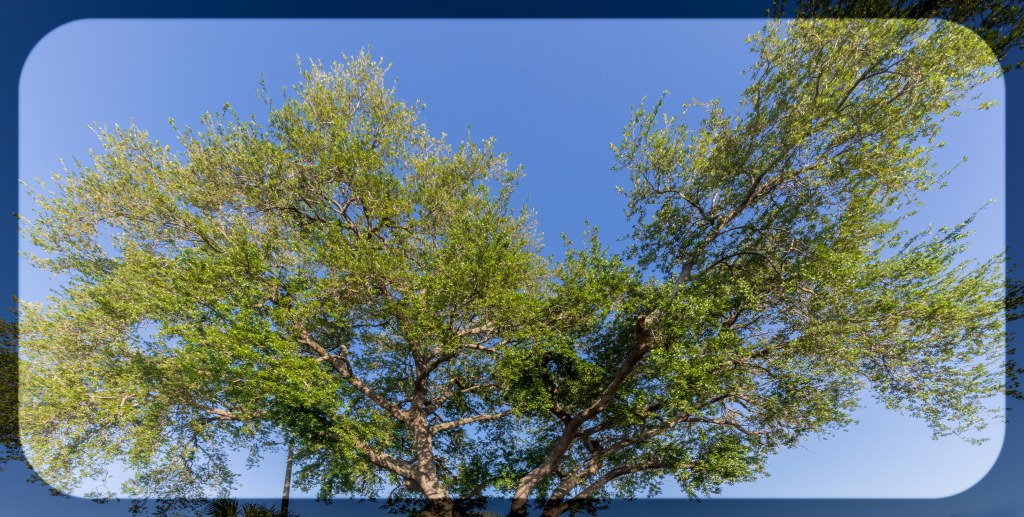
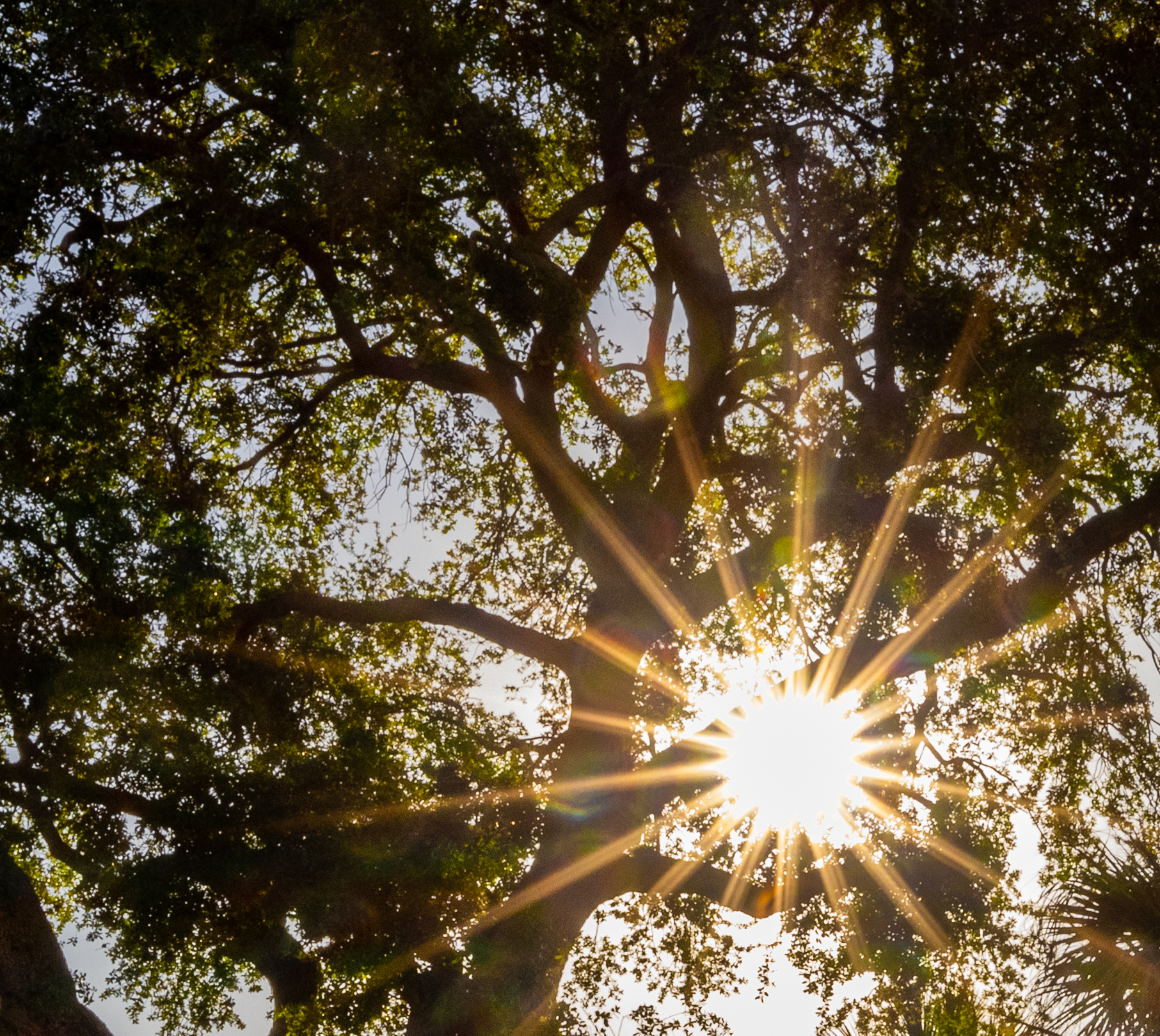
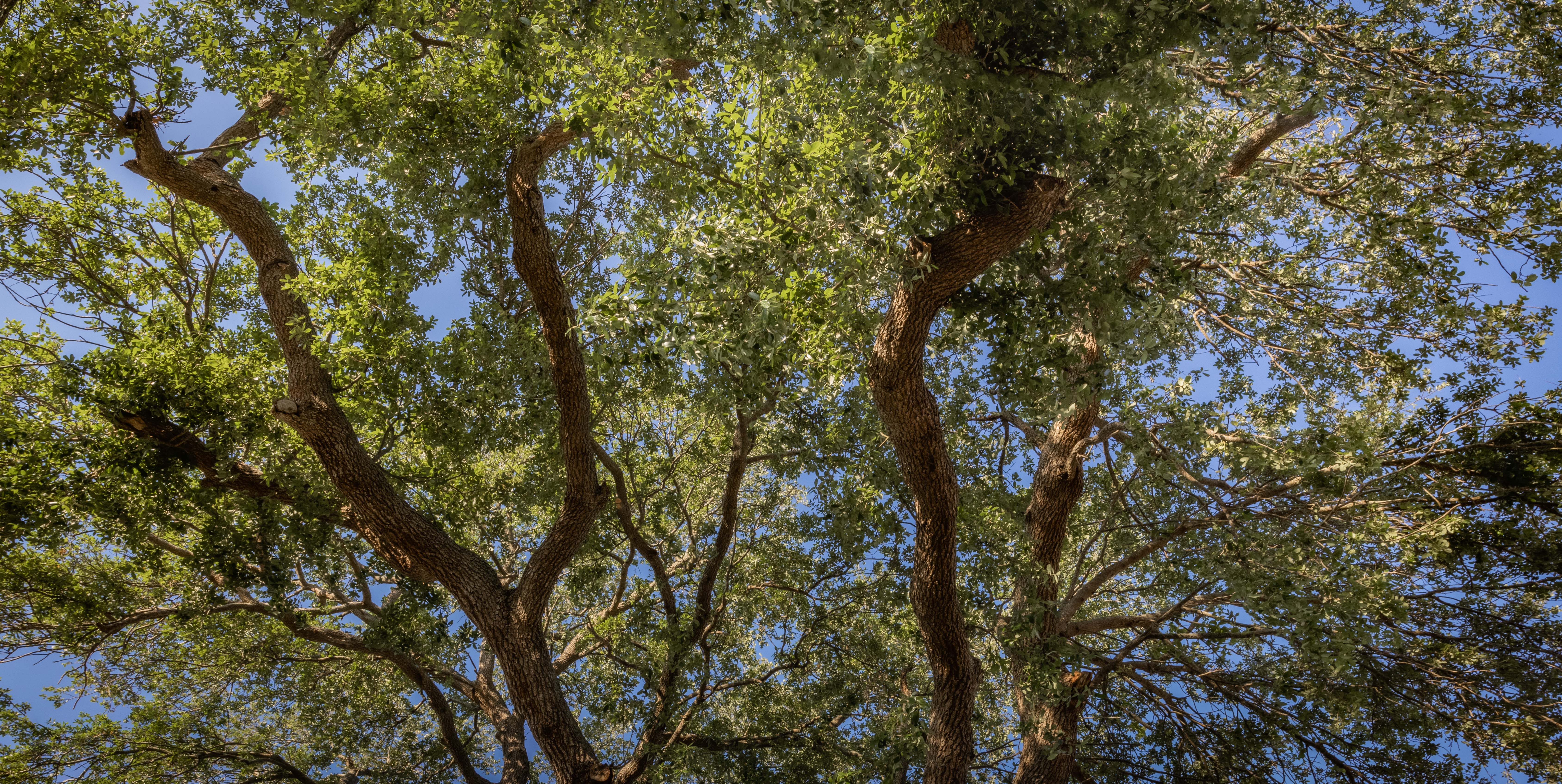
At the edge of a large bay stood a very large and stately oak tree. It was near dusk and the only sounds that could be heard were an occasional chatter of a pair of squirrels, the plop of acorns and splash of mullet near the water’s edge.
Under the tree a very old man nearly naked but for a breechclout, headband and light blanket squatted and watched his grandson standing as still and proud as the tree beneath which the old man sat. “Asini” was how he was called and at thirteen, stood as still as the tree beneath which his grandfather sat.
He stood at the water’s edge with one foot forward in the water his eyes intent for the silver flash of fish. Over his shoulder he held a straight branch from the old oak tipped with a carefully chipped stone fashioned especially as the old man had wanted for fishing. Finally, almost without effort the muscle and sinew of the young boy flashed and a silver fish leapt and thrashed in his struggle to stay in the circle of life. With a deft toss the boy flipped the fish toward his father’s father with a wide grin.
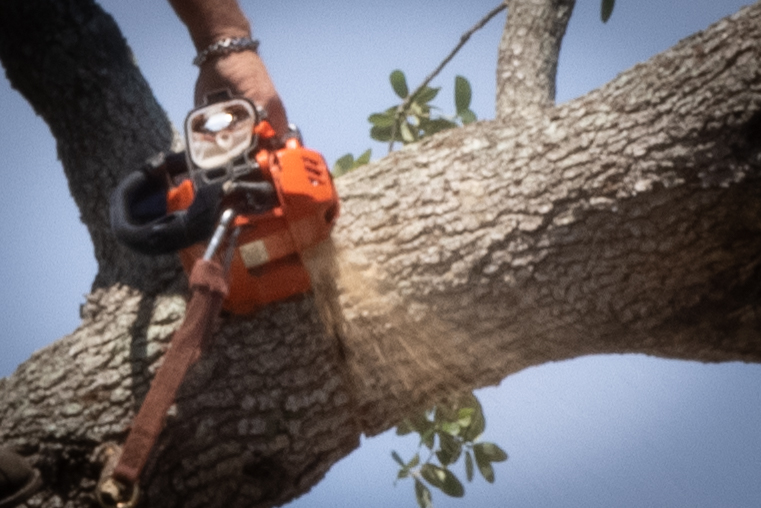
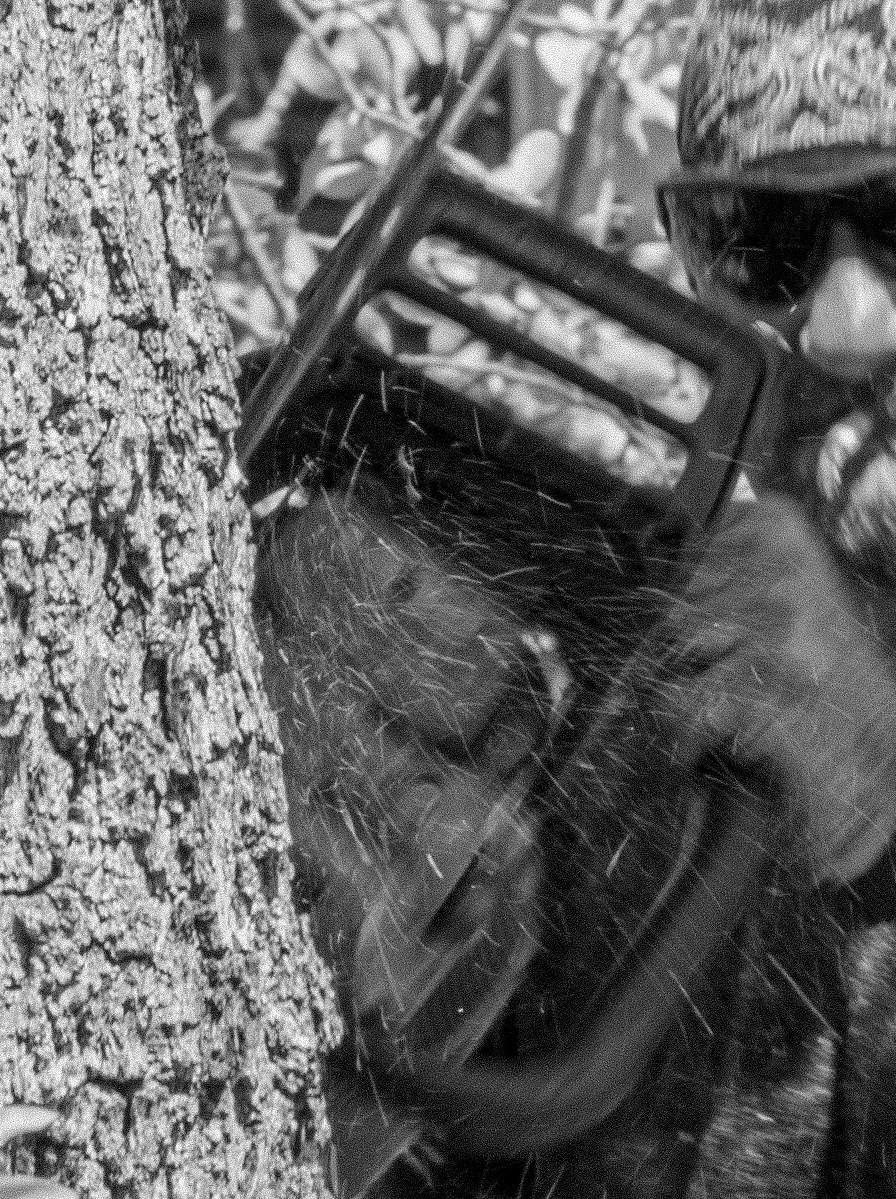
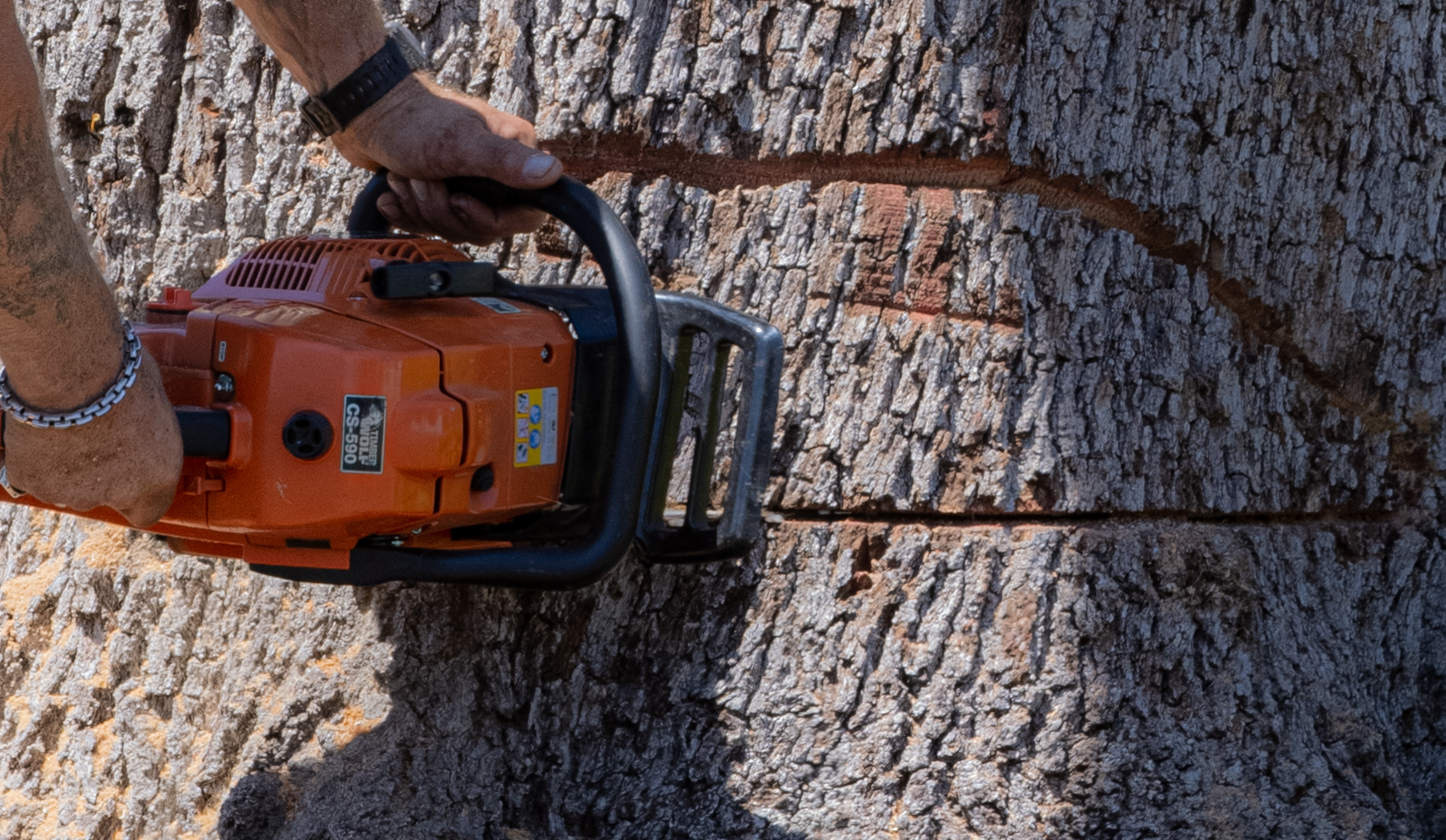
All of that was nearly 300 years ago. Today a flash of metal, much like the flash of the spear bit into the life blood of “Tree” and soon the roaring and crashing and jibes and curses ceased. They loaded the body of Tree on a long bed truck and drove away. Adjacent to the spot where once the tree had stood, was a house that the tree had also provided much shade and joy, as well as homes for a myriad of other creatures… creatures now without a home or source of food or shelter.
I suppose that is the way of the world and perhaps must be…… but is it not sad?
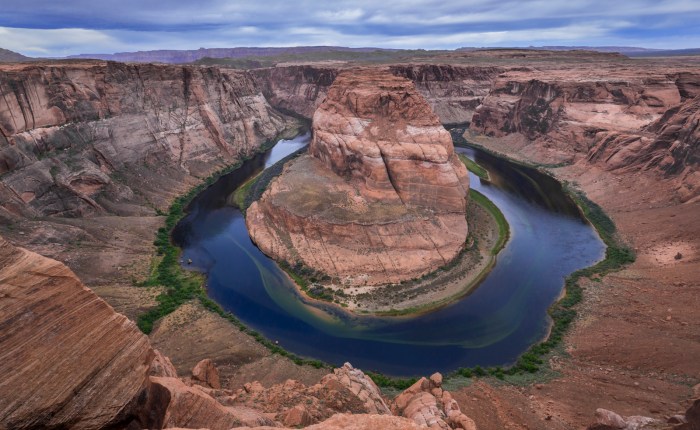
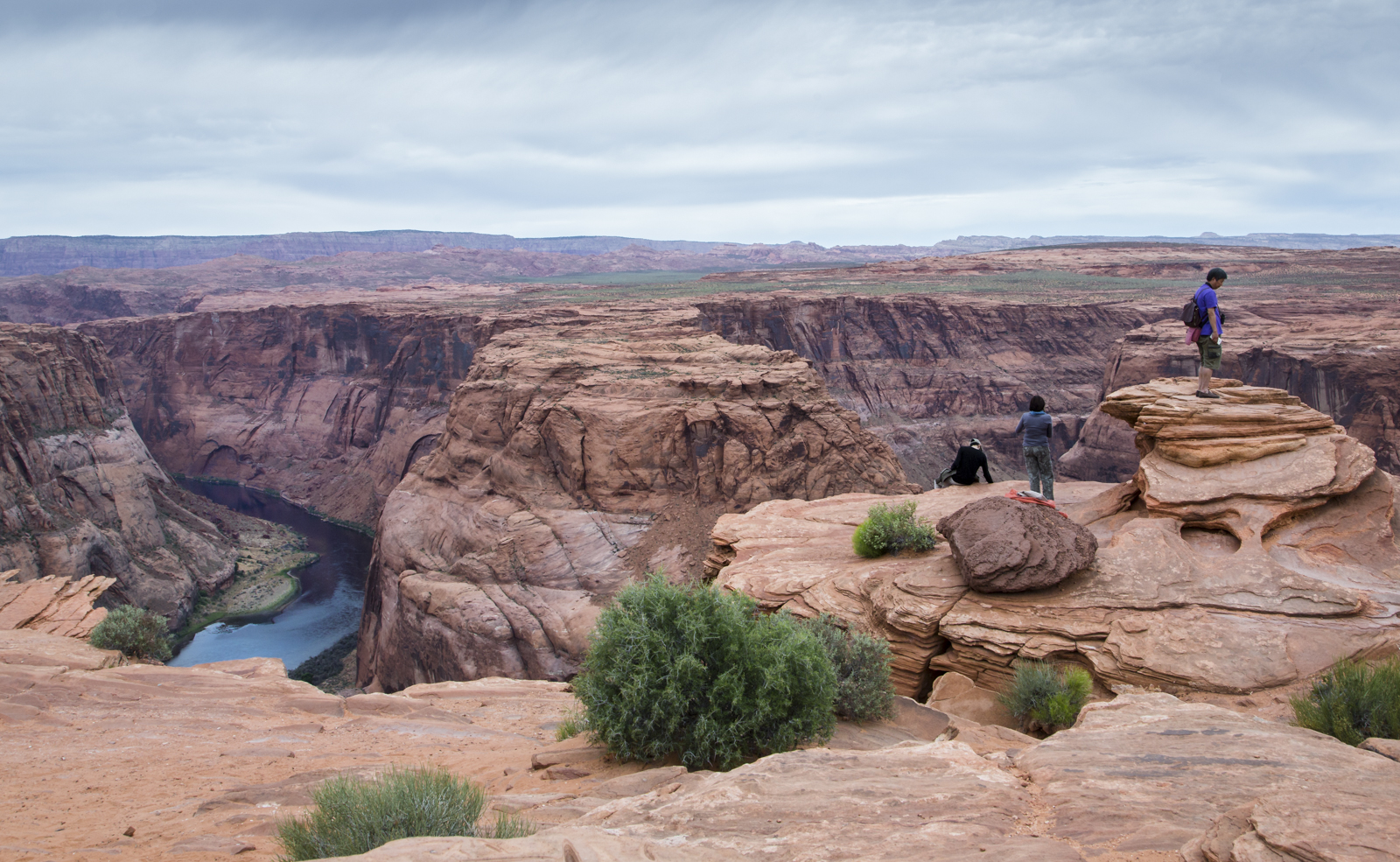
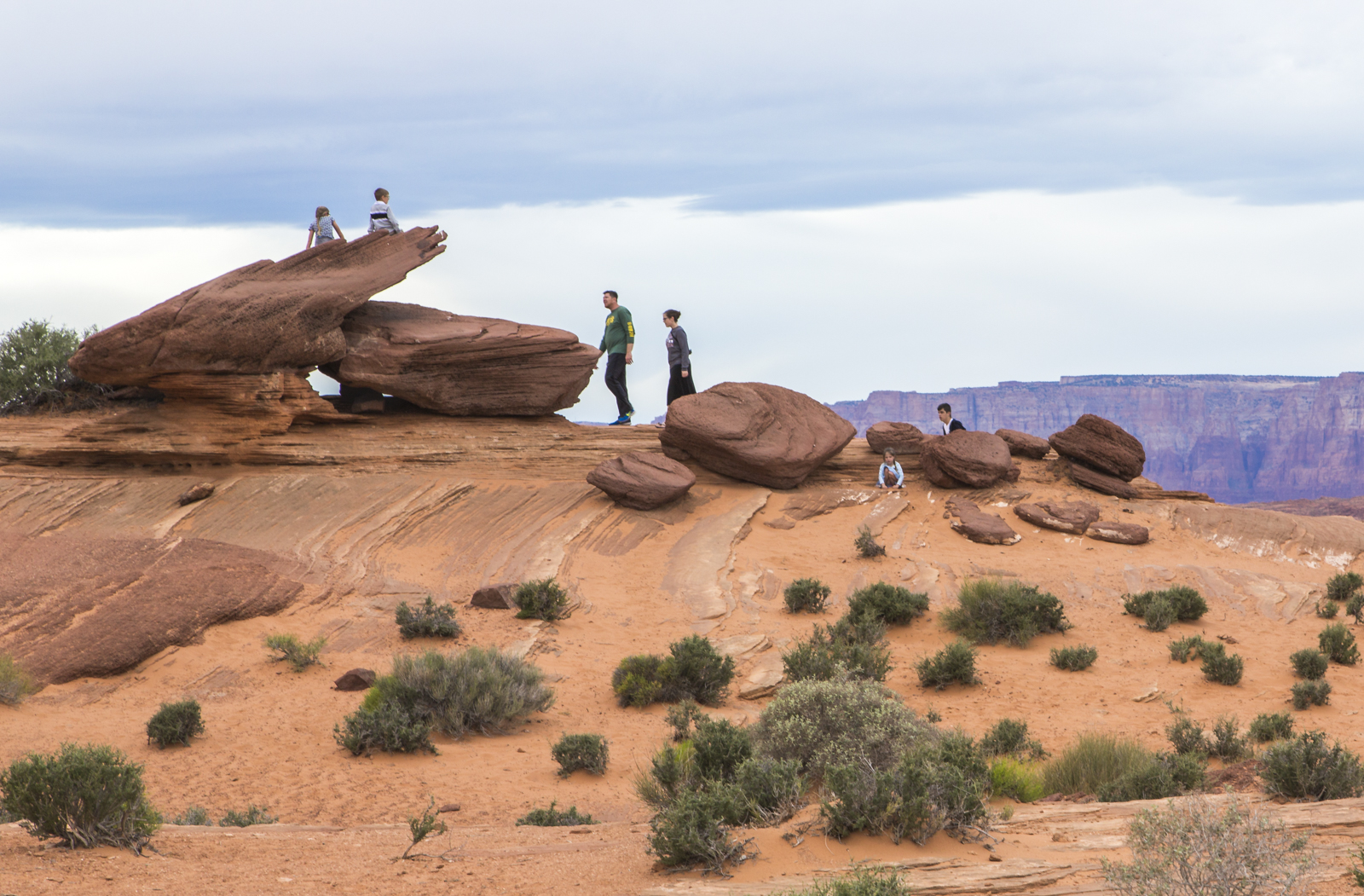
Time stands still for no one and no thing. It is almost inconceivable to imagine what this landscape looked like eons ago and the forces of nature that carved this unique horseshoe shaped bend in the Colorado River. One thousand feet below the edge of the cliff the Colorado river continues to etch this vista deep in the Navajo Sandstone Plateau.
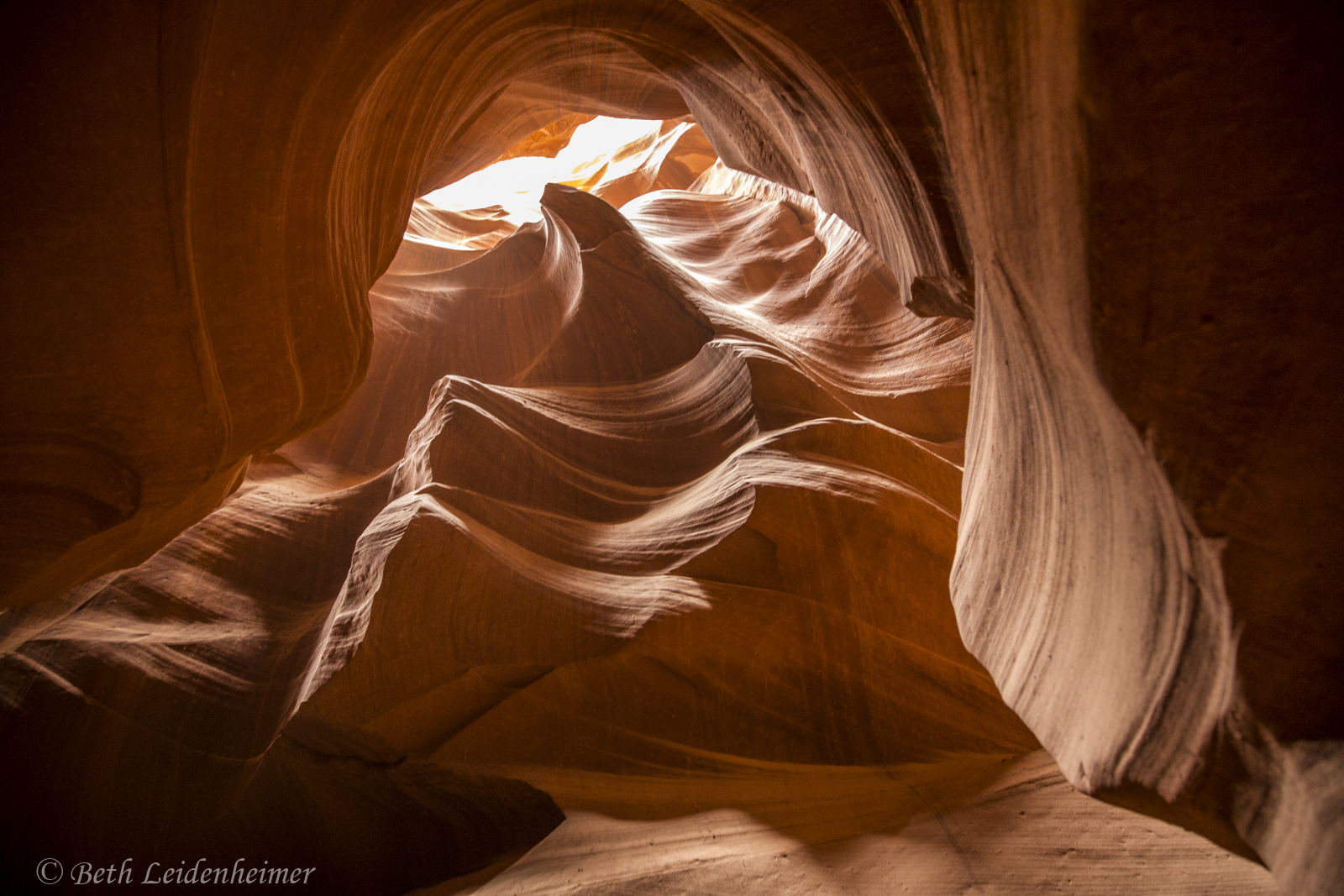
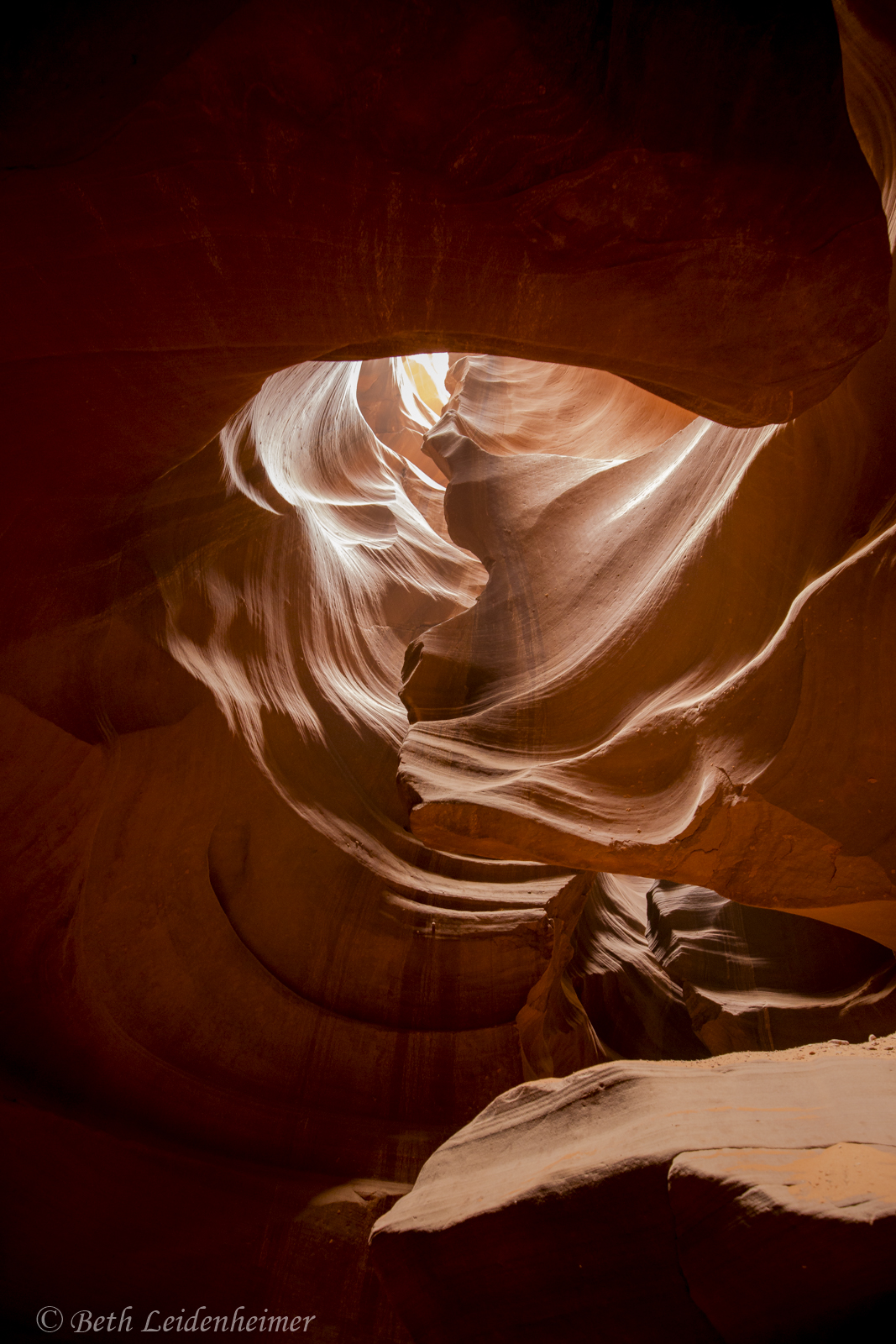
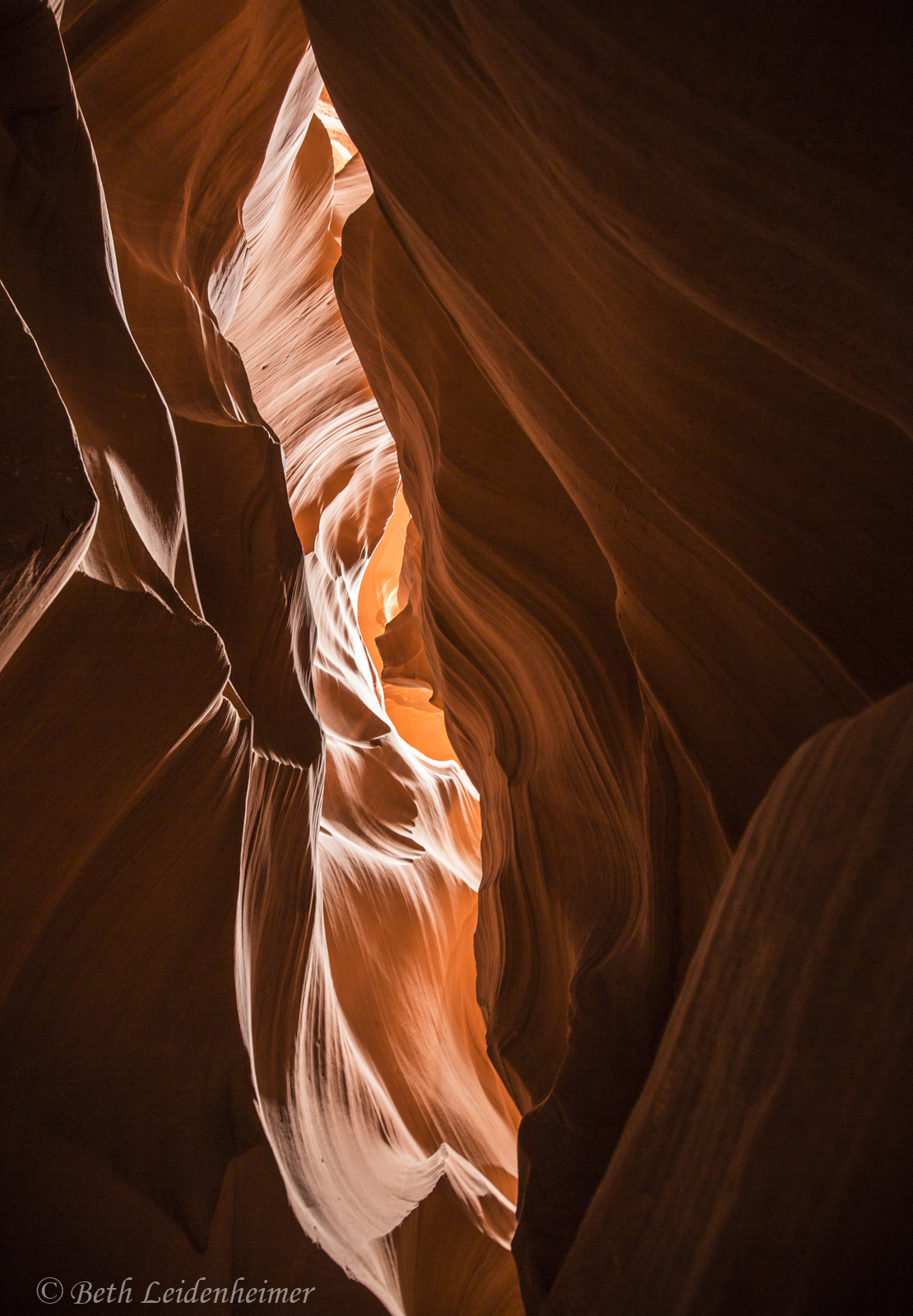
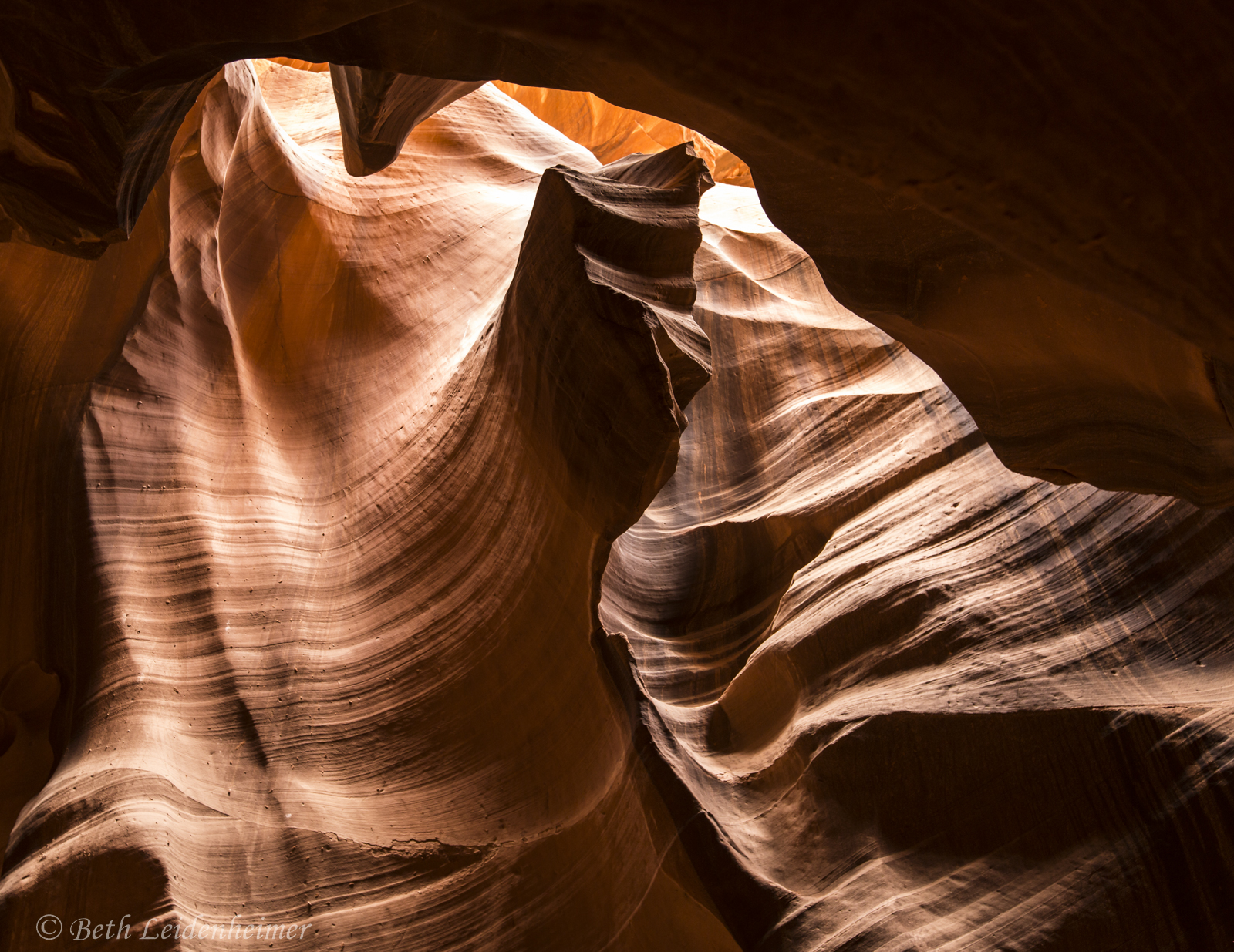
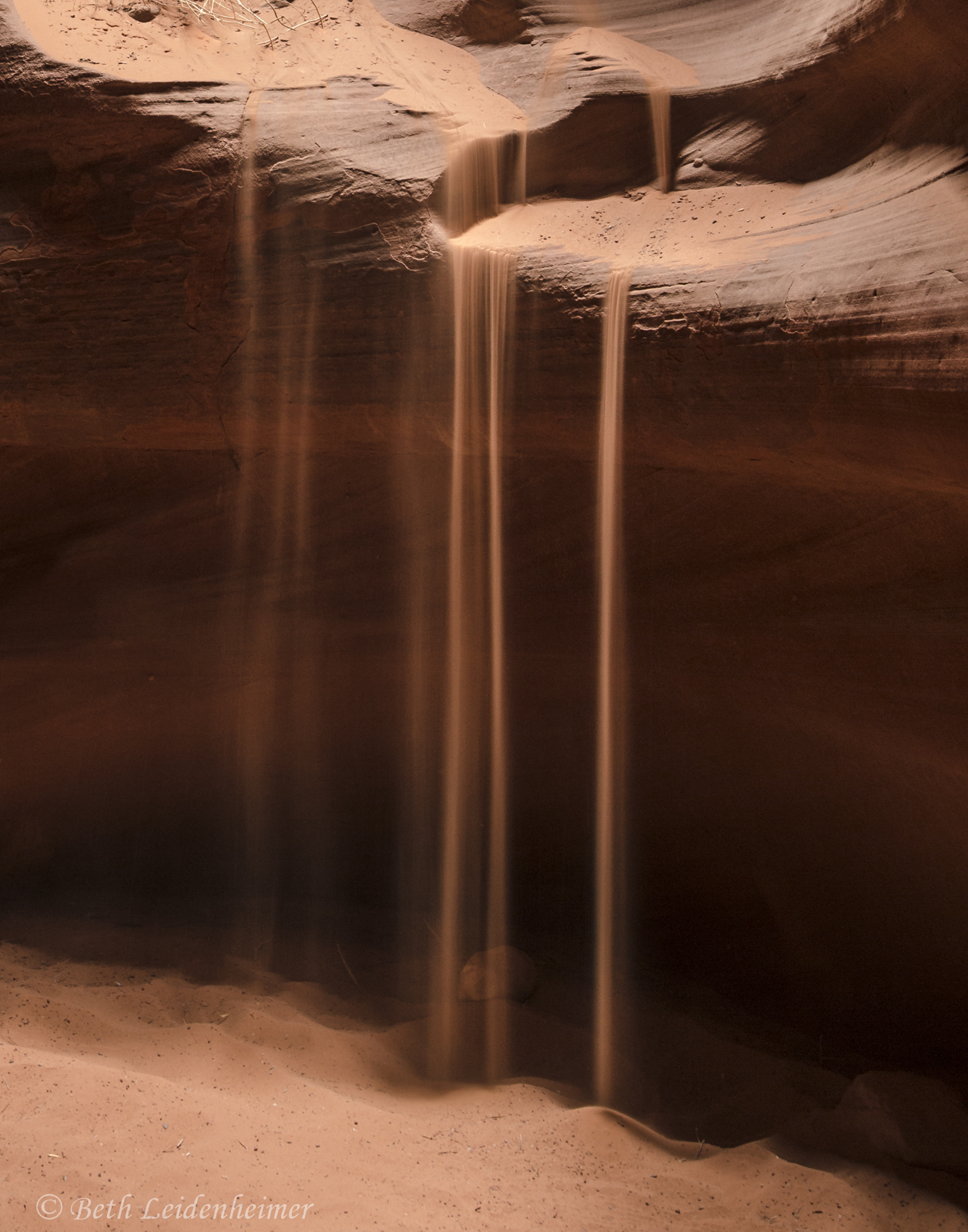
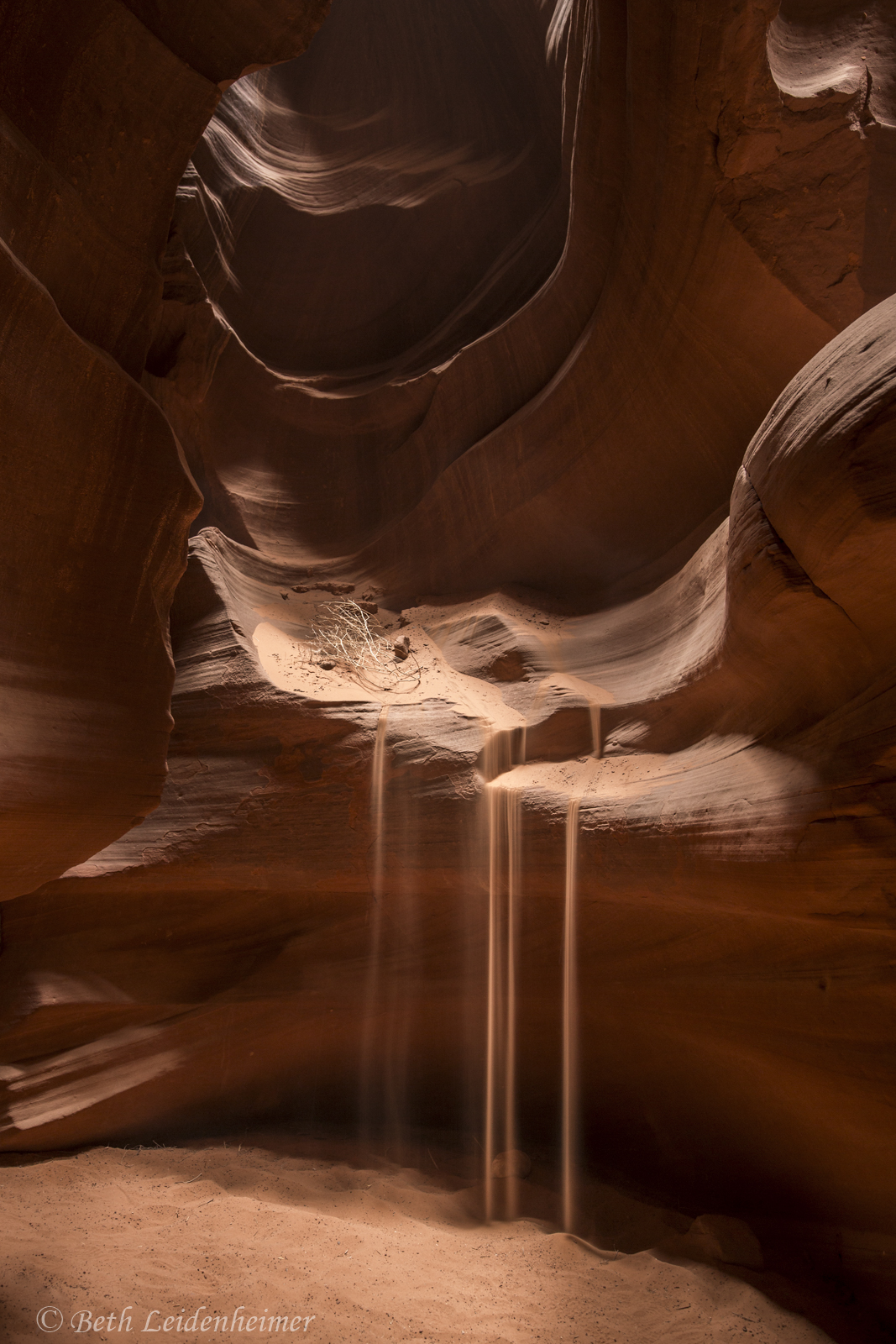
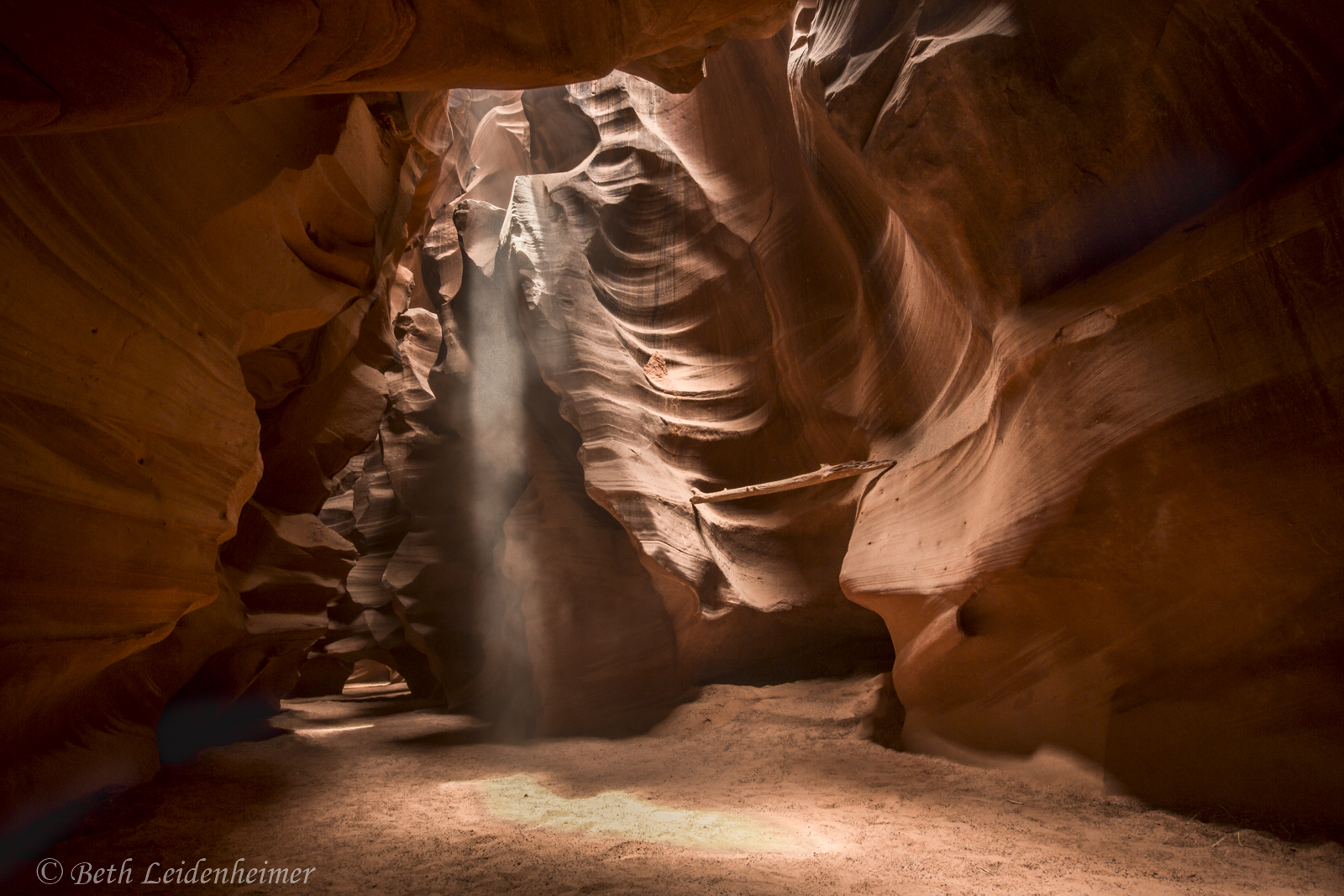
Not to be overshadowed by Horseshoe Bend, the nearby Antelope Slot Canyon holds it’s own captivating spell on visitors. A guided tour through the narrow sandstone canyon walls by the native Navajo Nation gives you an inkling of the powerful affects of the water that regularly floods the canyon on it’s way to Lake Powell.
Horseshoe Bend is absolutely breathtaking and Antelope Slot Canyon is a unique look at the artistic sculptures of sand and stone over time. Neither should be missed and both are certainly ideal photographic opportunities for all.
I invite you to click through the photos to see the images full screen and to gain a sense of the impact of seeing such natural beauty in person.
Your visits to and comments on my blog are most welcome.
Thanks for visiting.
Horseshoe Bend
Horseshoe Bend
Horseshoe Bend
Upper Antelope Slot Canyon
Upper Antelope Slot Canyon
Upper Antelope Slot Canyon
Upper Antelope Slot Canyon
Upper Antelope Slot Canyon
Shifting Sands of Time – Upper Antelope Slot Canyon
I say the traditional greeting out of the great respect I hold for our native American Navajo upon whose traditional lands these photographs and this trip represent. Many years ago, I had the honor of working for two years alongside some of the Navajo people in one of our national parks, the Petrified Forest in Northern Arizona. Although I attempted to learn the Navajo native tongue, it was very difficult for me and all I honestly know is this greeting. Yá’át’ééh.
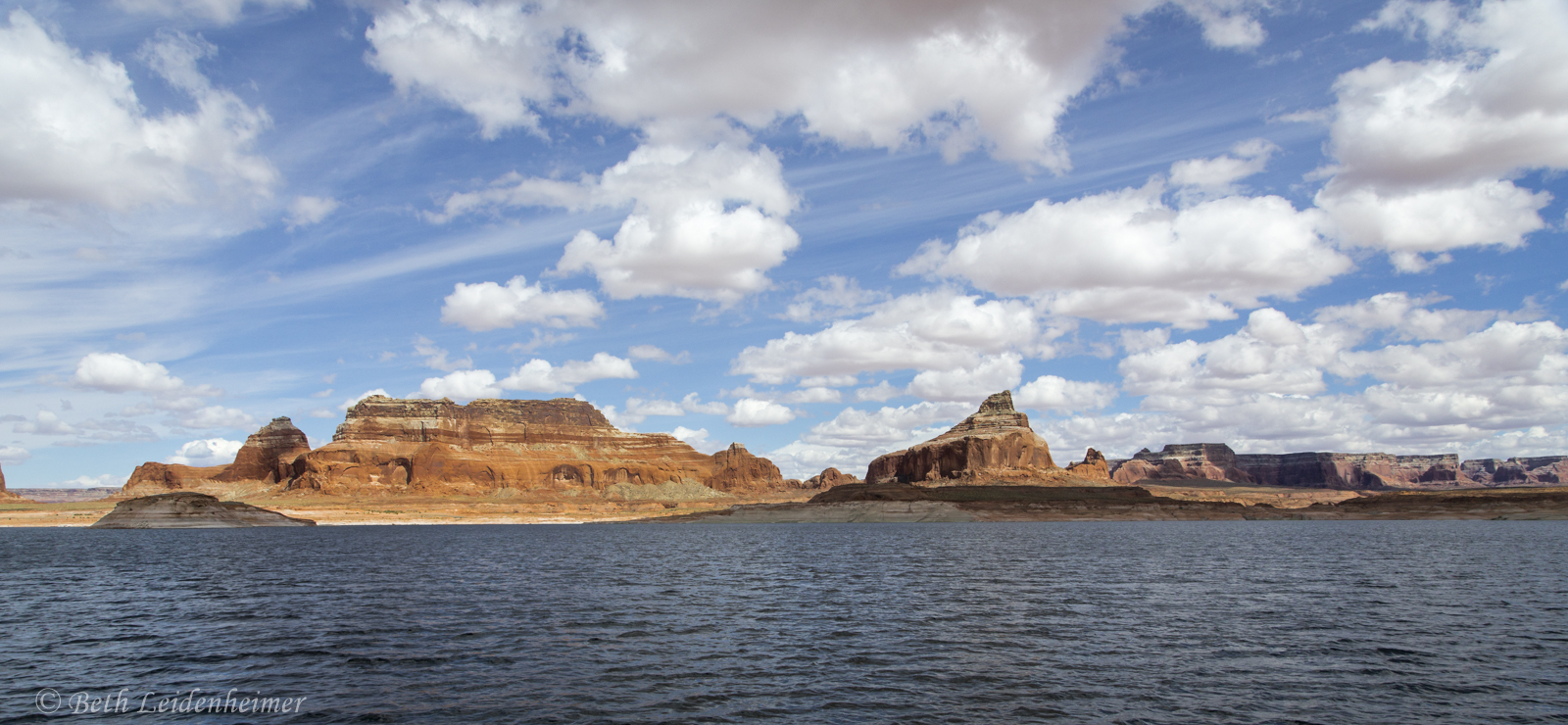
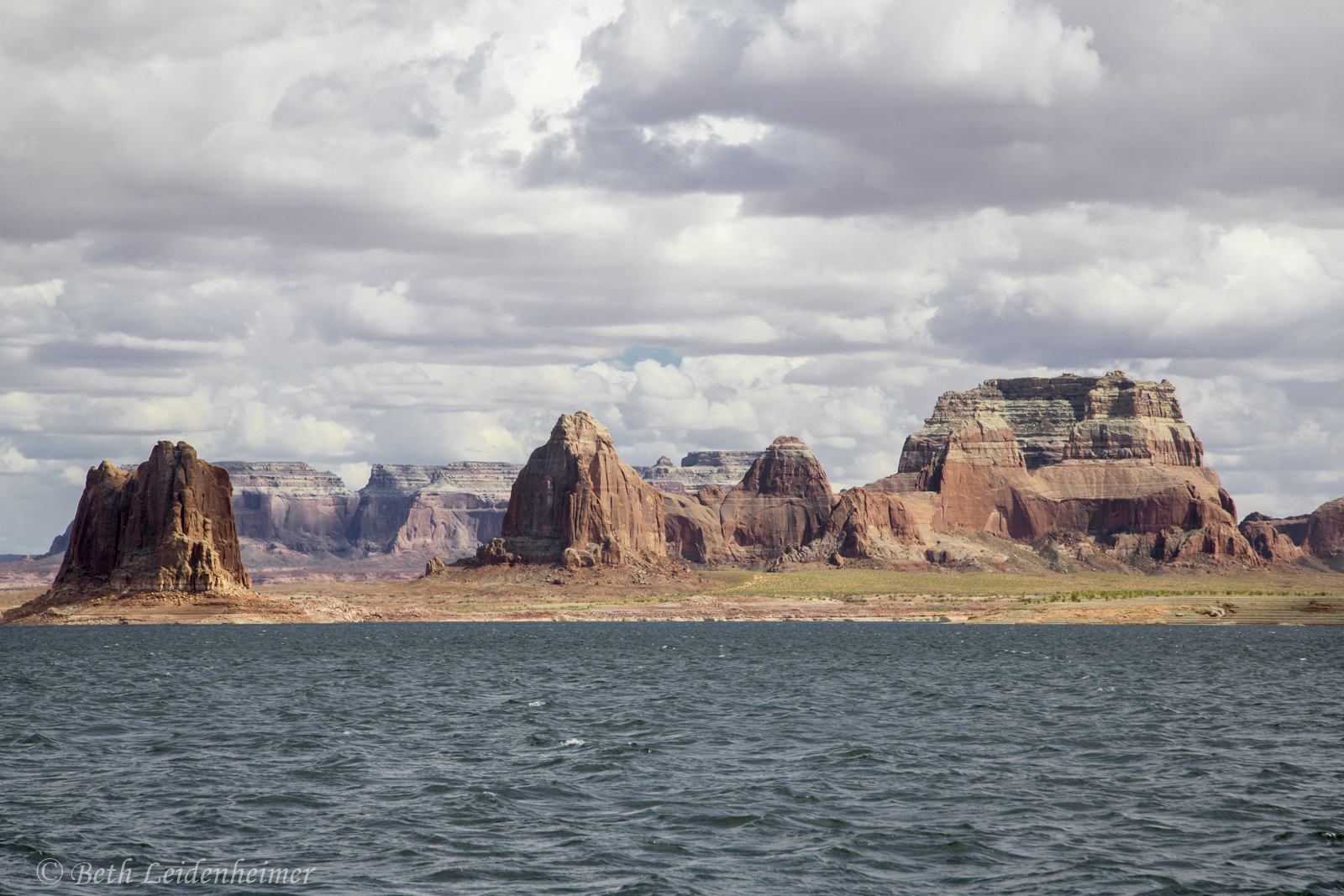
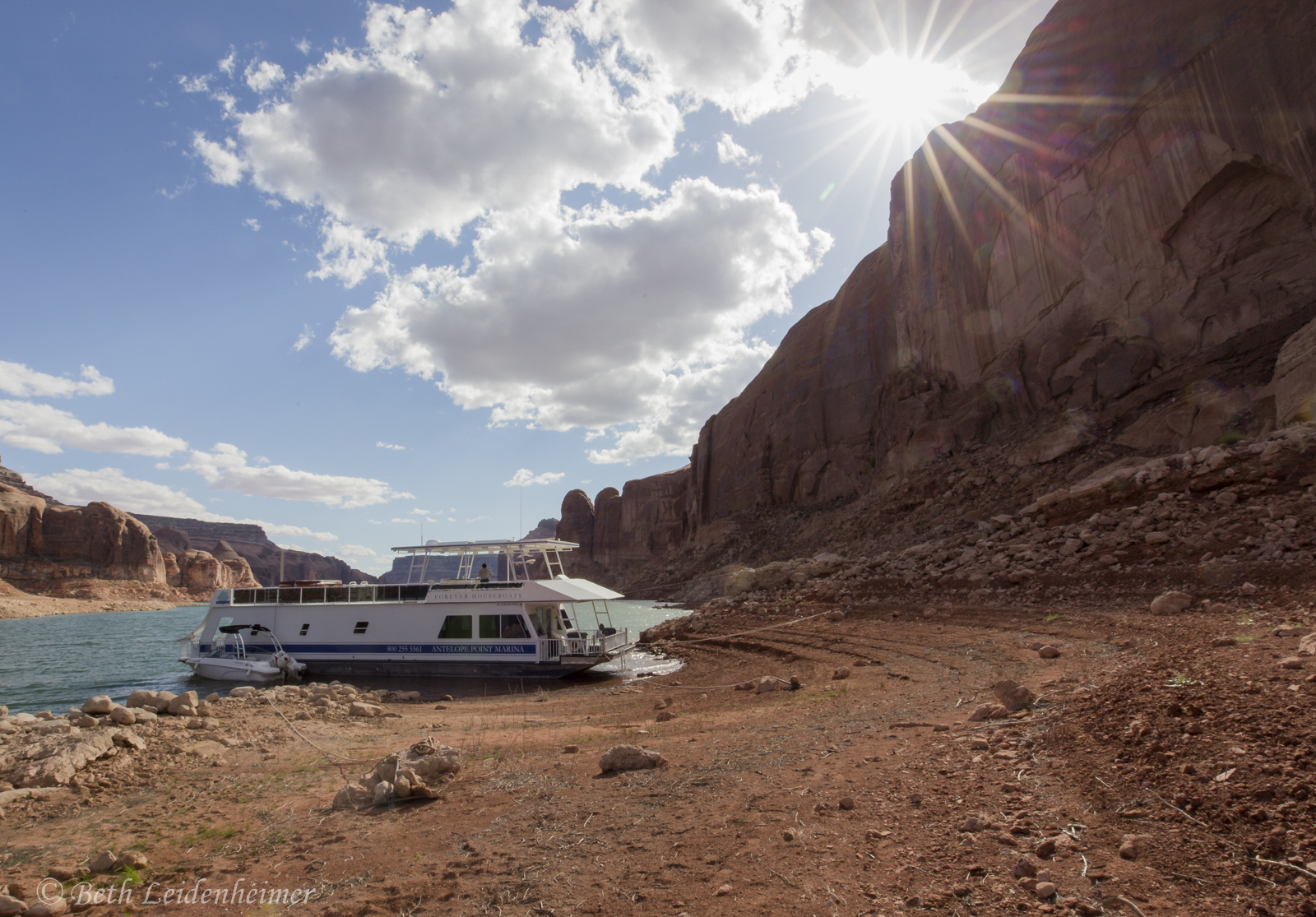
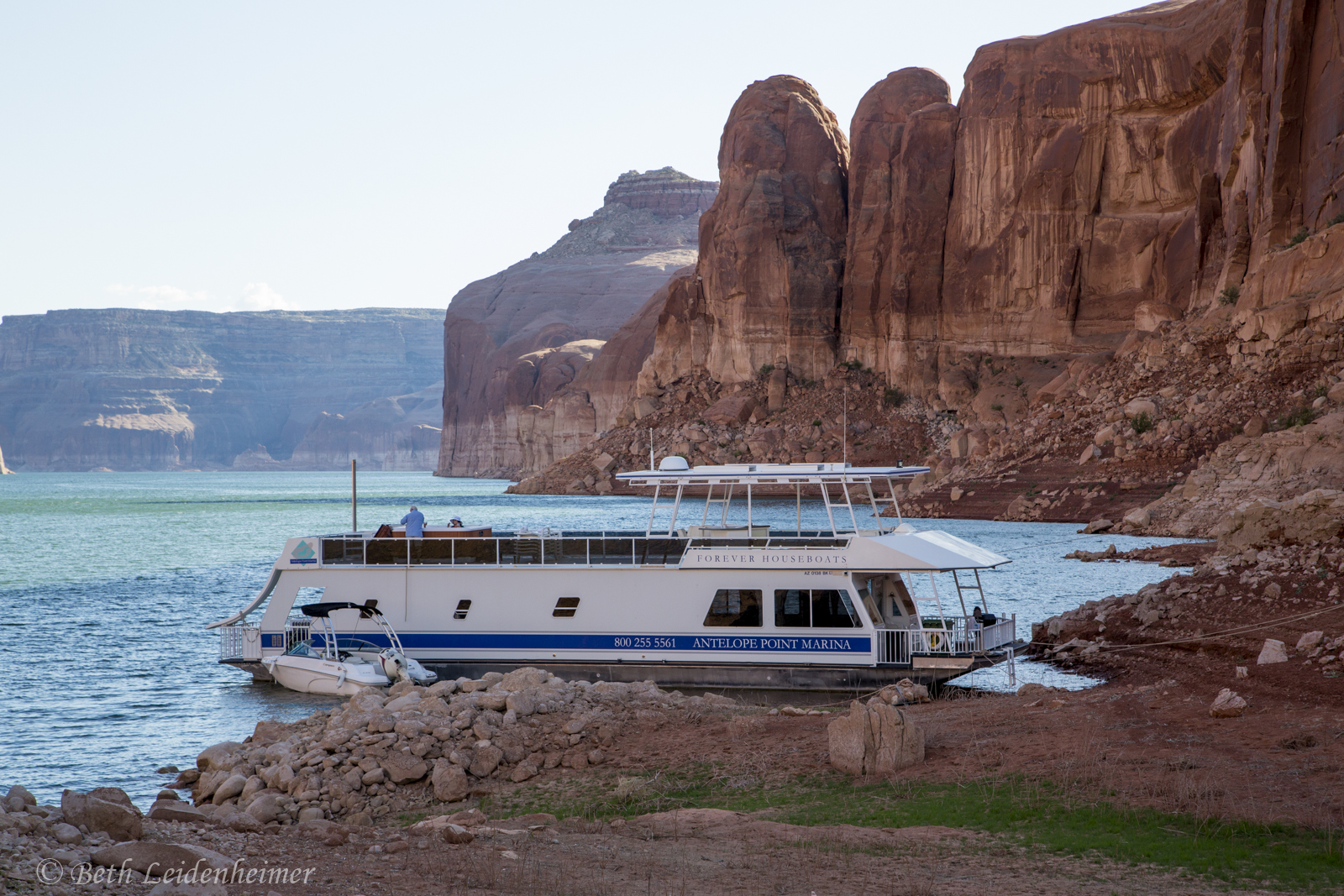
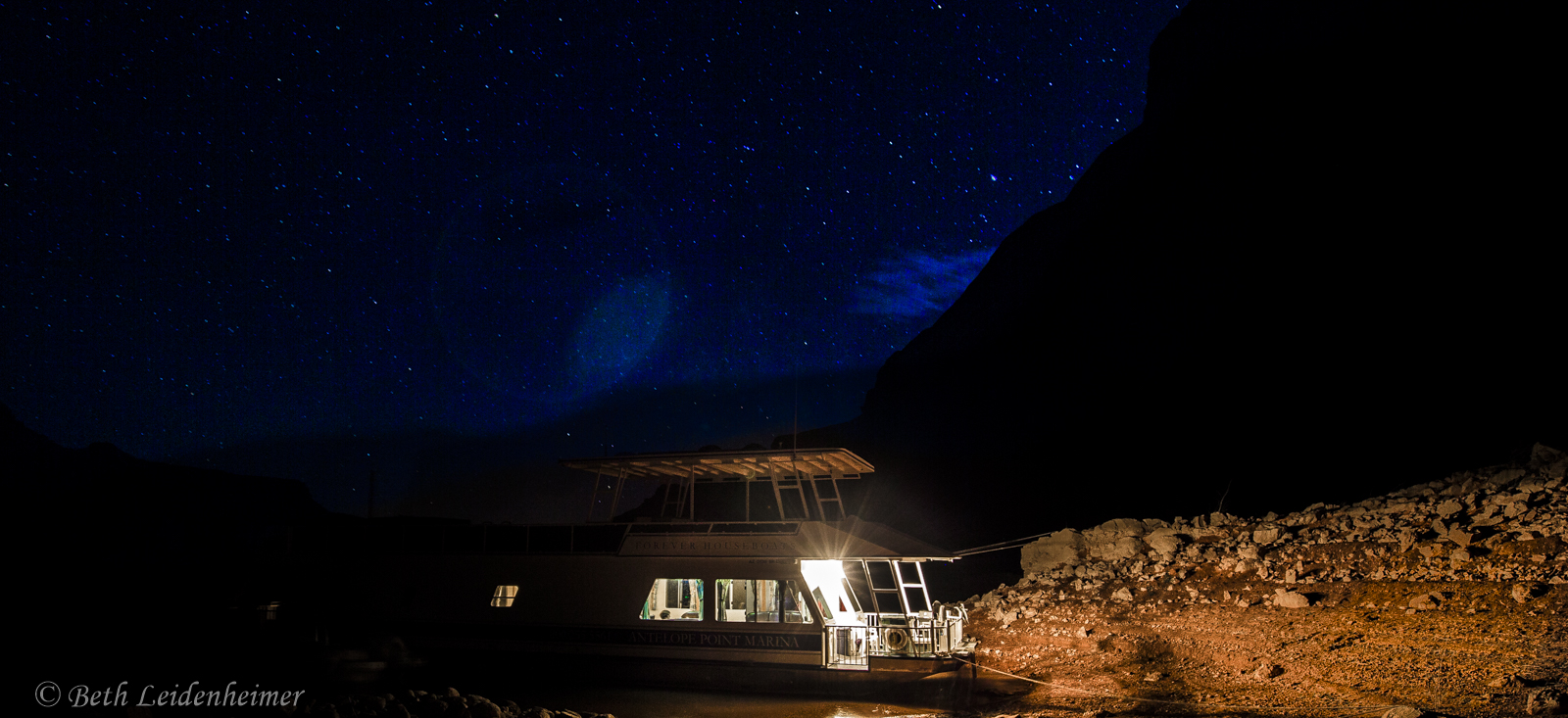
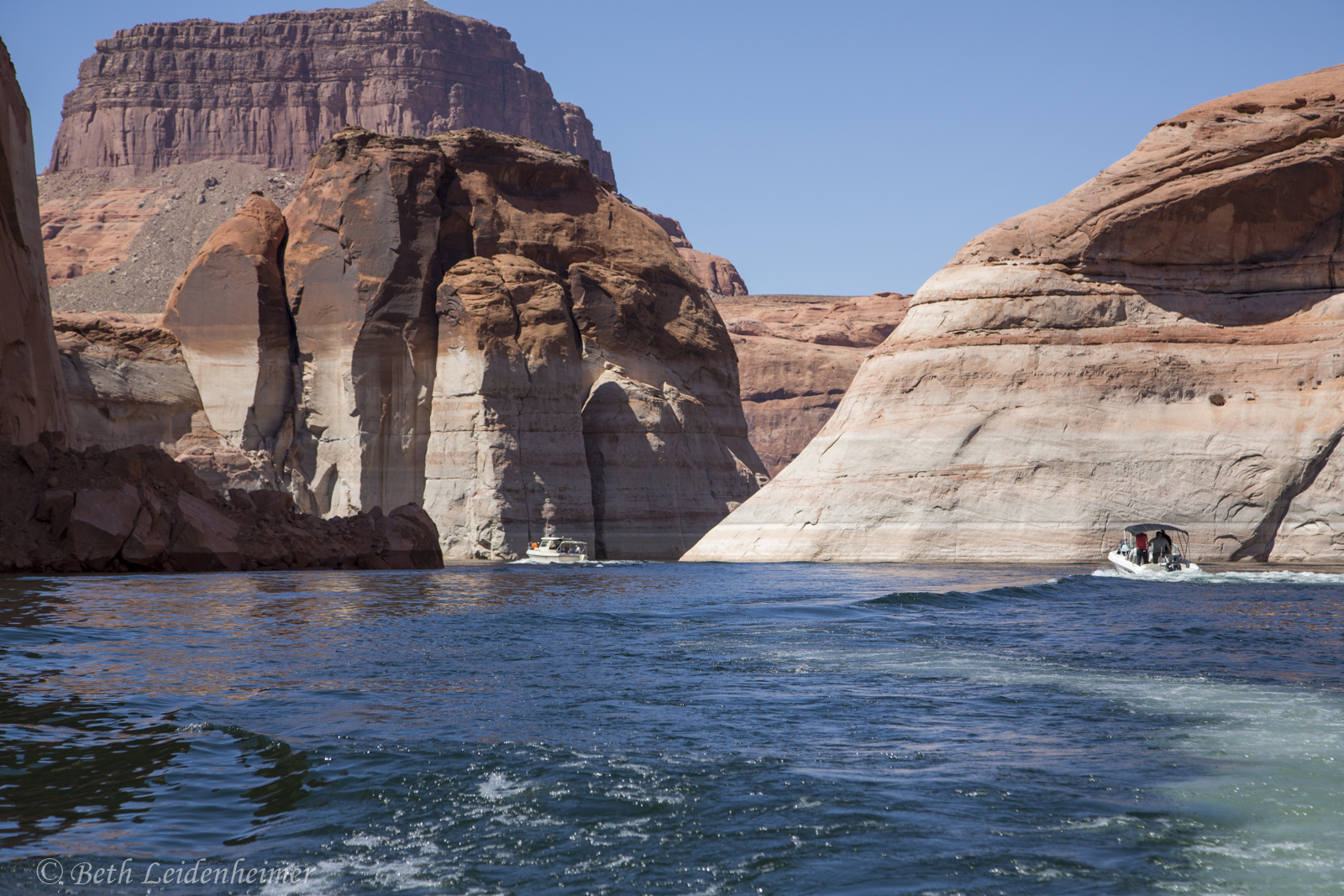
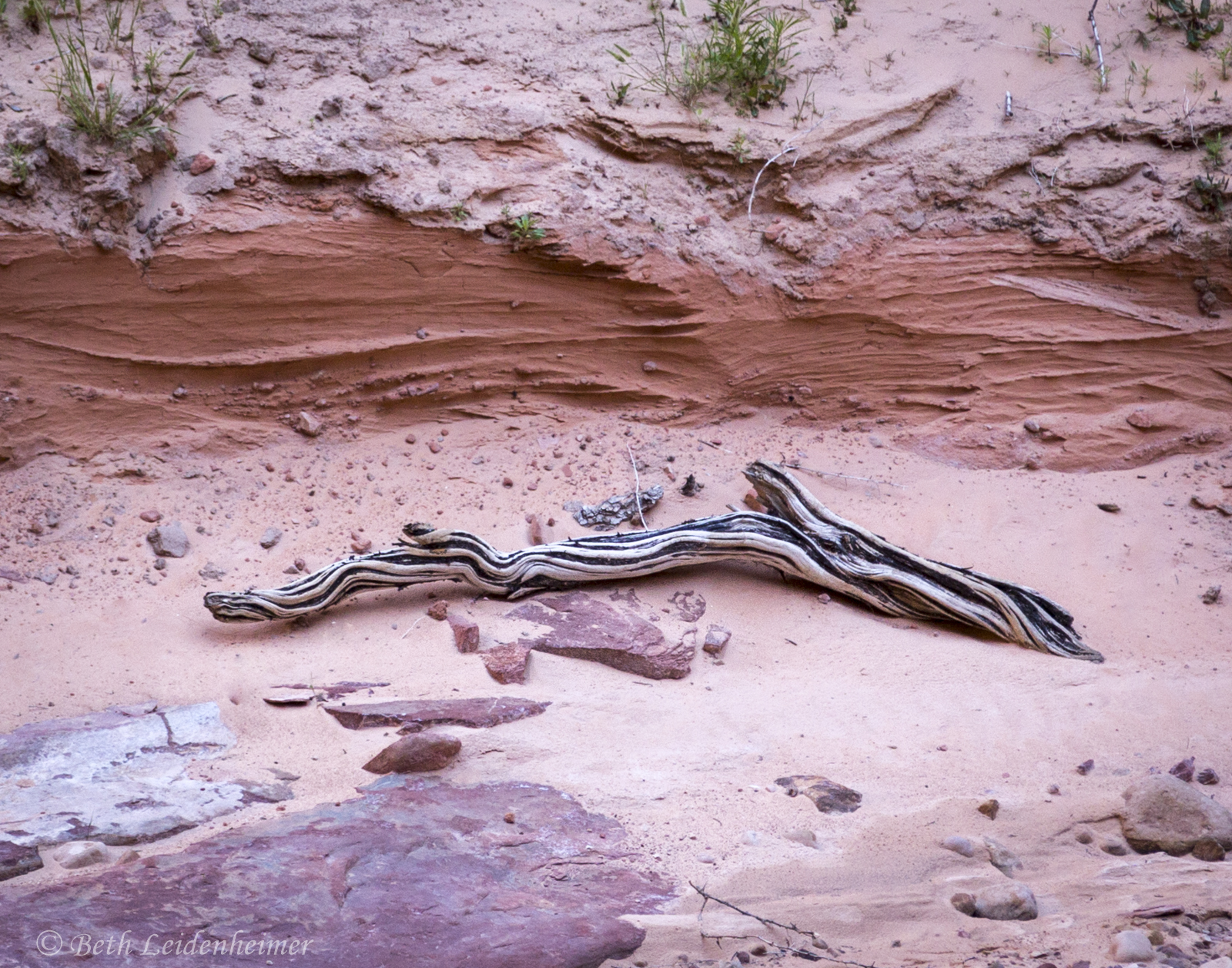
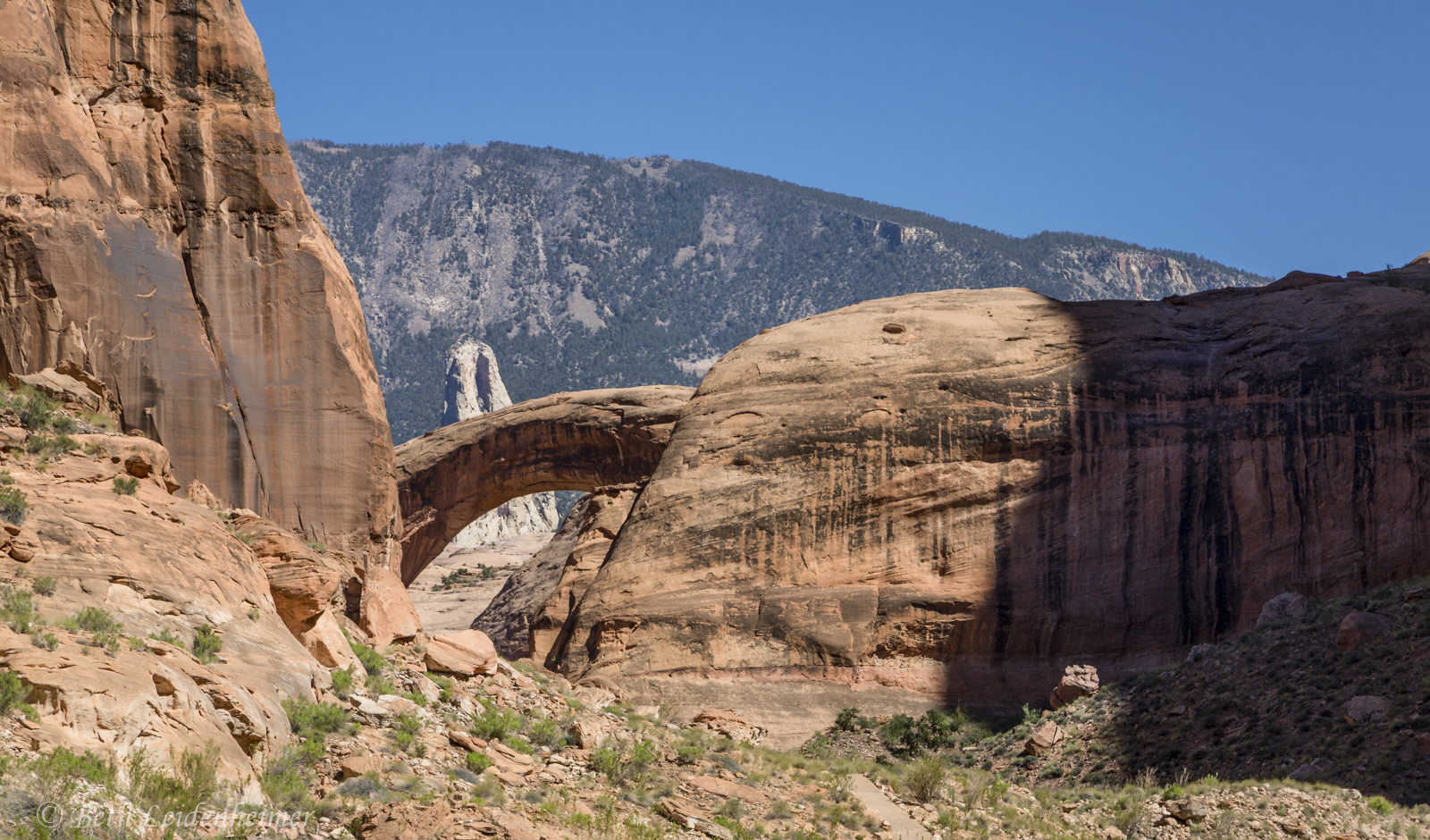
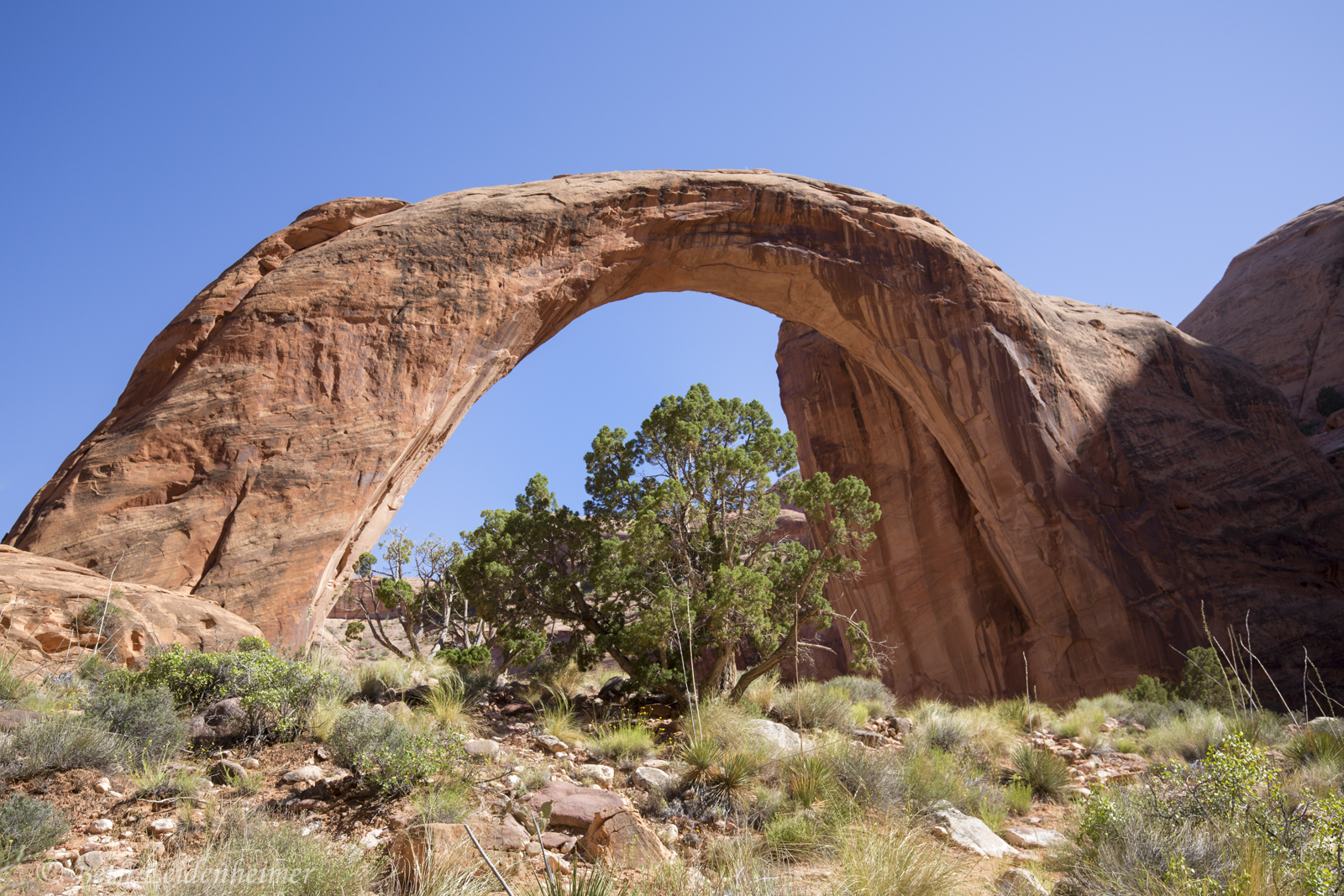
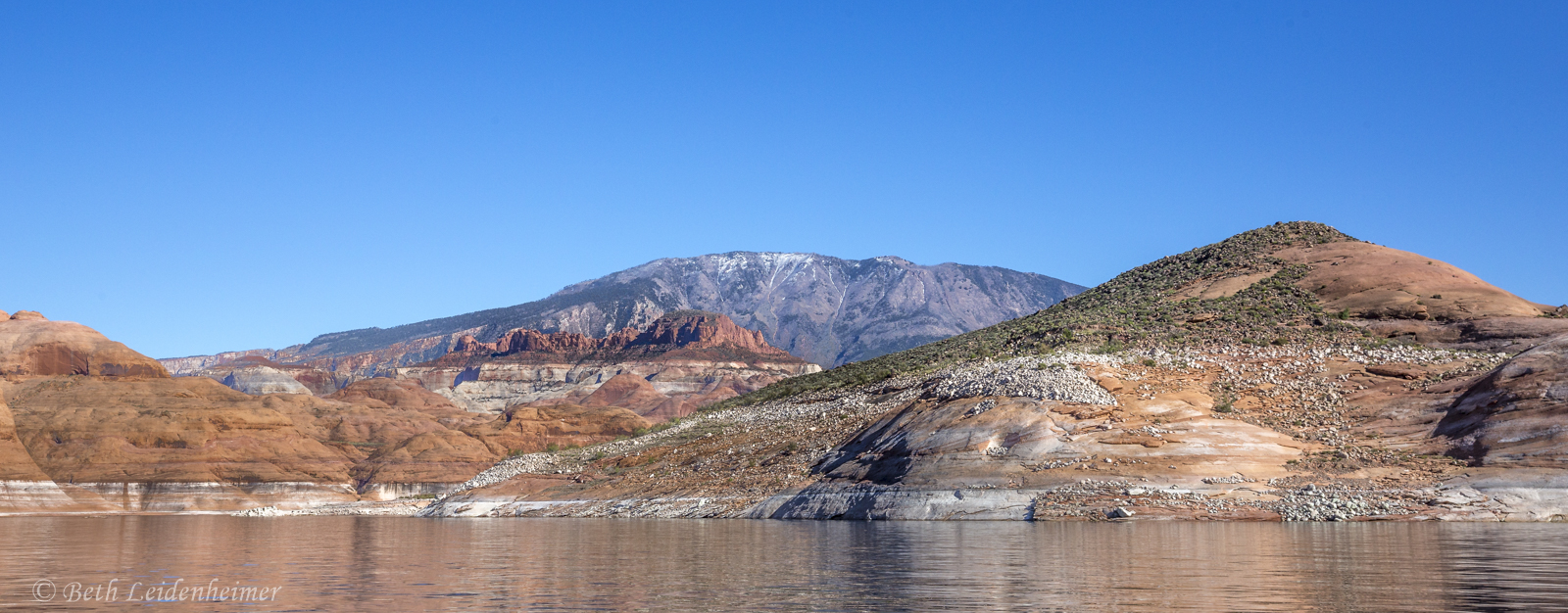
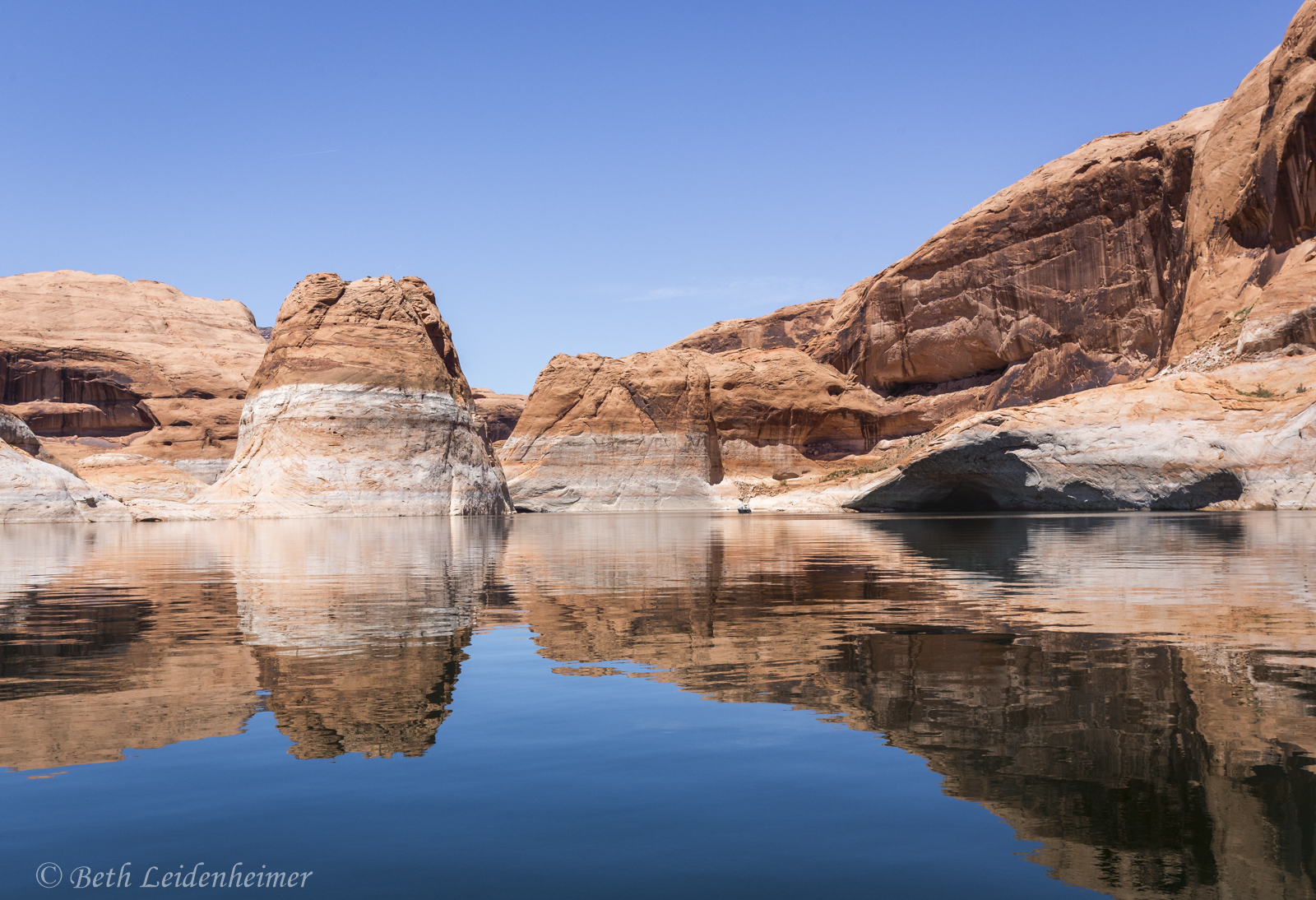
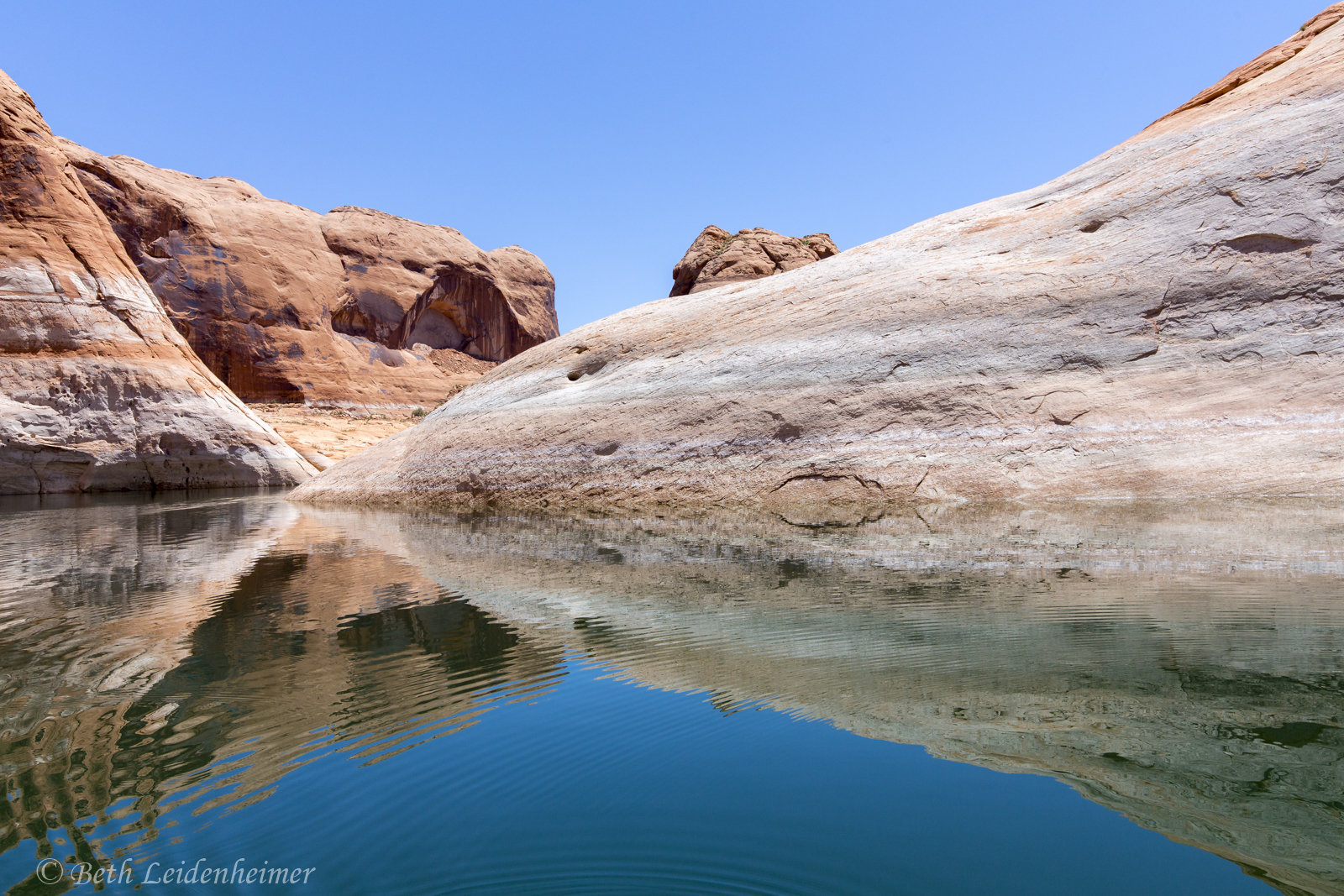
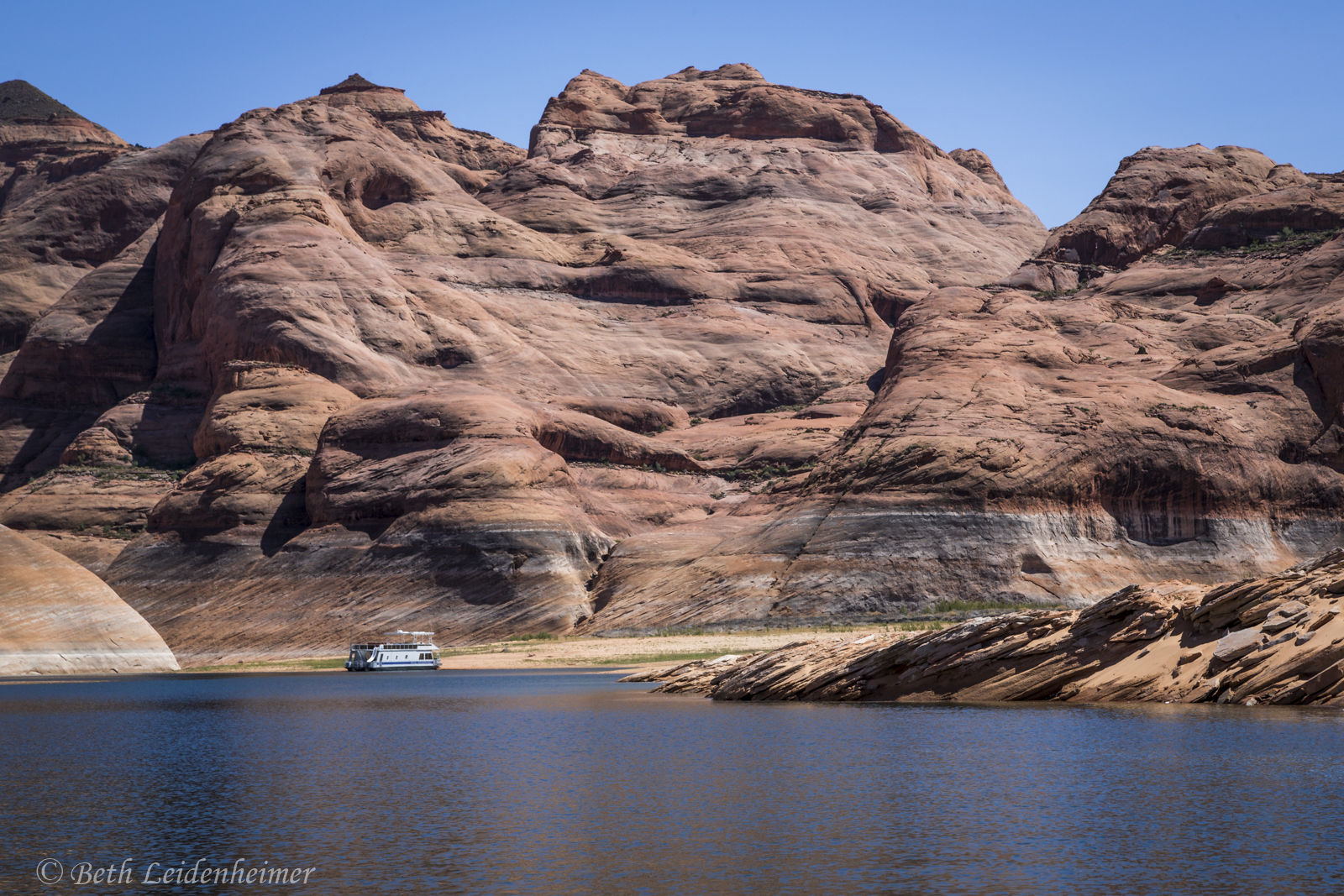
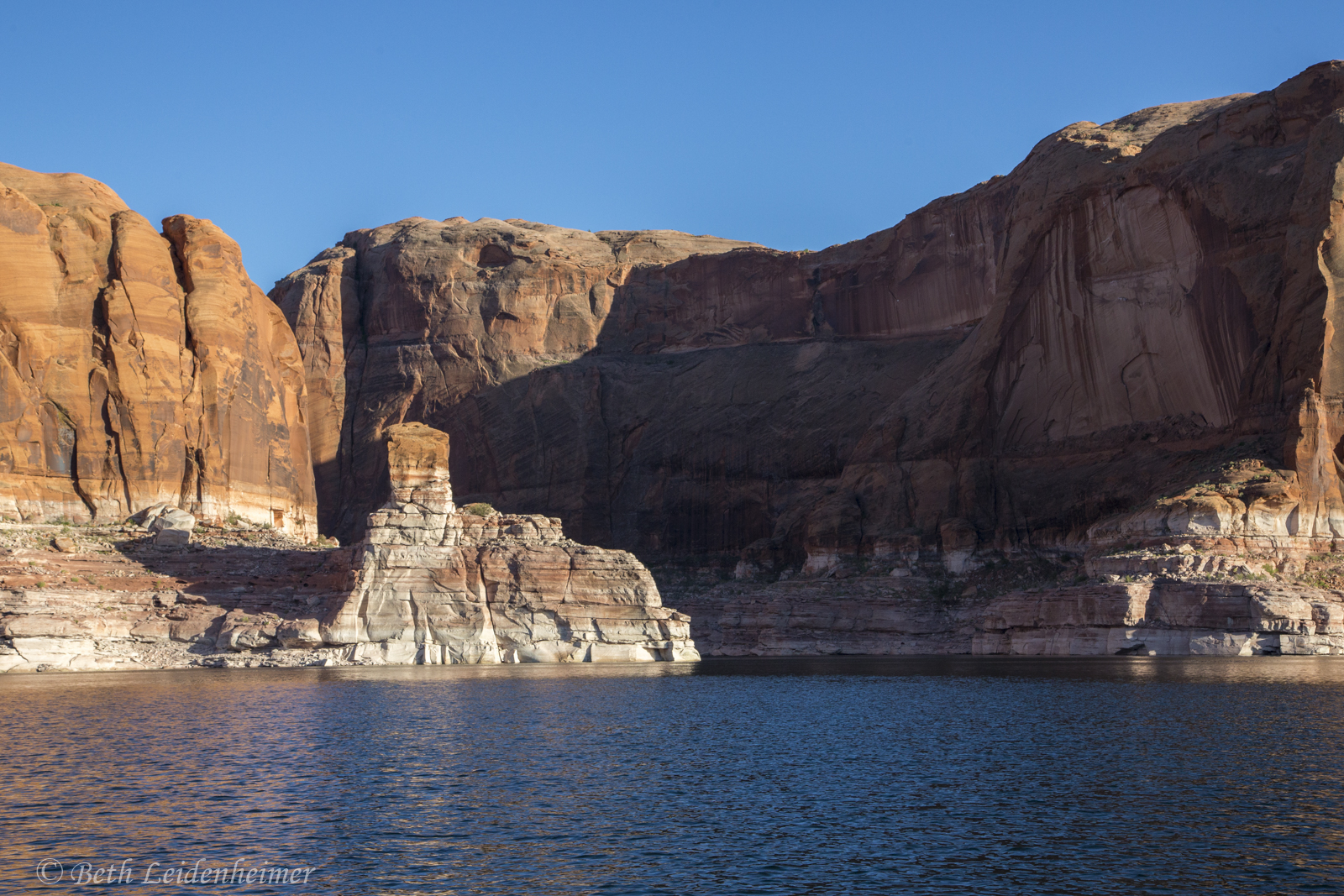
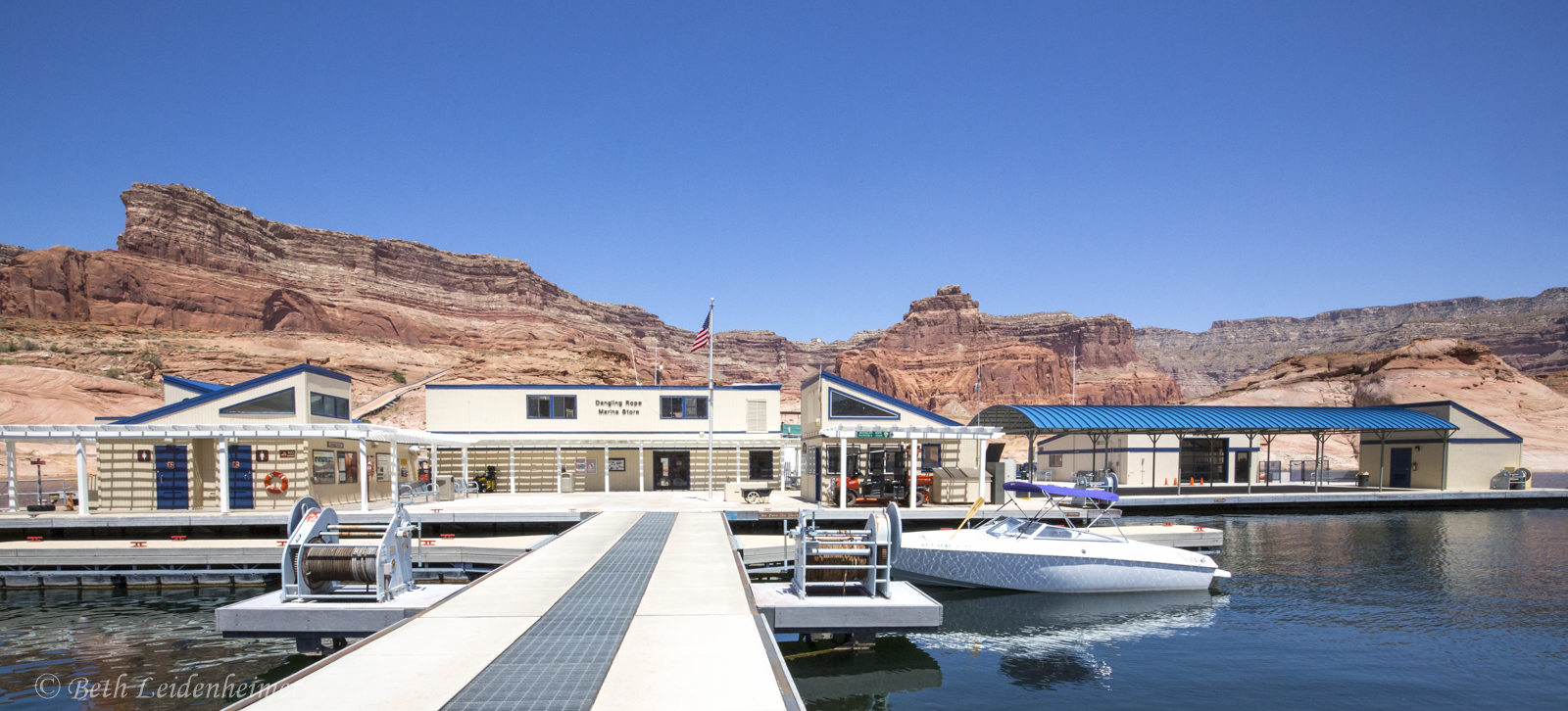
Years later I was again intrigued with the land of the Navajo and decided to travel to Northern Arizona to experience the beauty of the Navajo lands – again. My close friend, who became my husband about 7 years later, invited himself on a journey I had planned to Lake Powell to camp in and explore the Escalante Canyon. This year we returned with family and good friends in tow and spent a week on a 70 foot houseboat re-visiting the first half of the lake from the Glen Canyon Dam to the Escalante River that joins the mighty Colorado River.
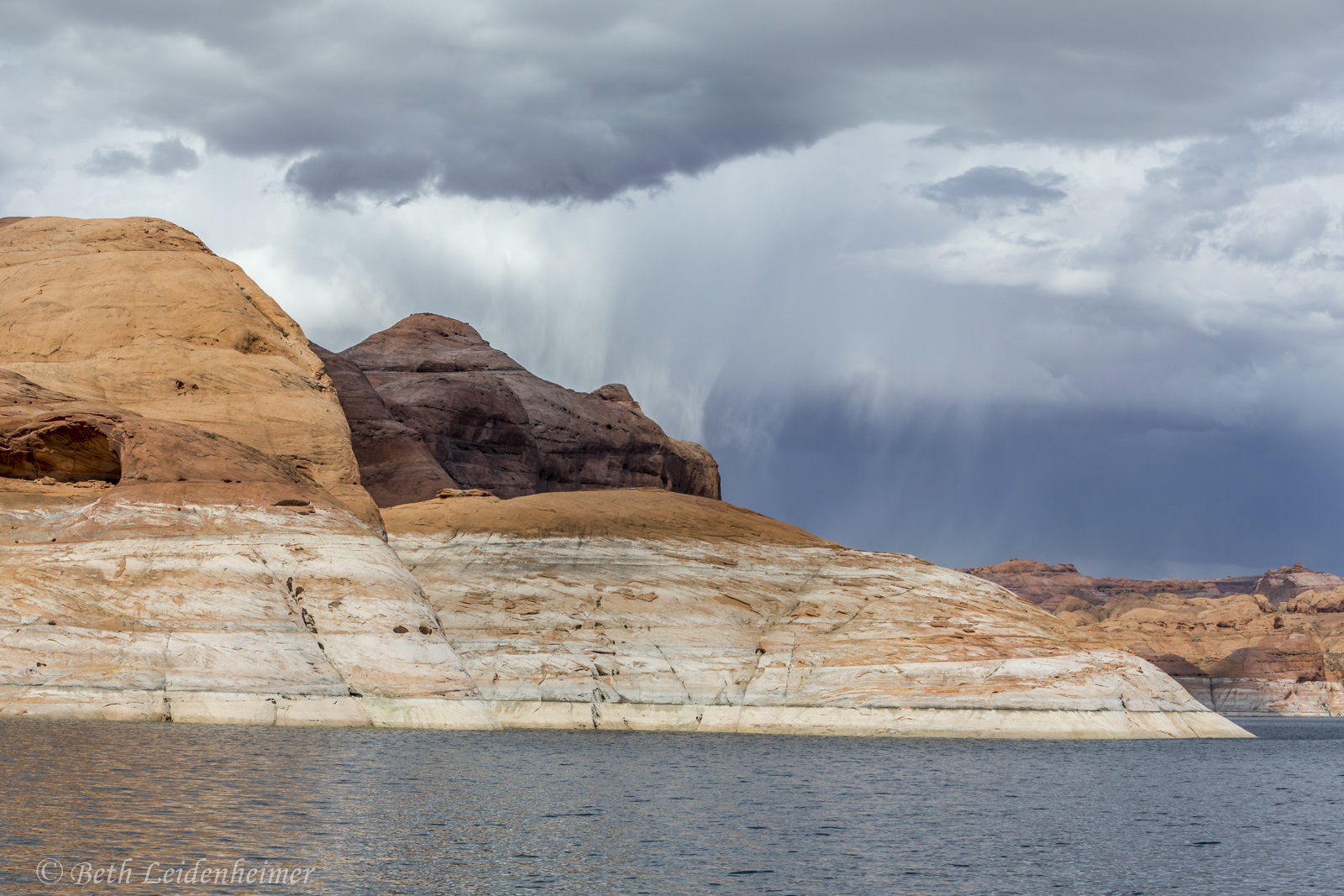
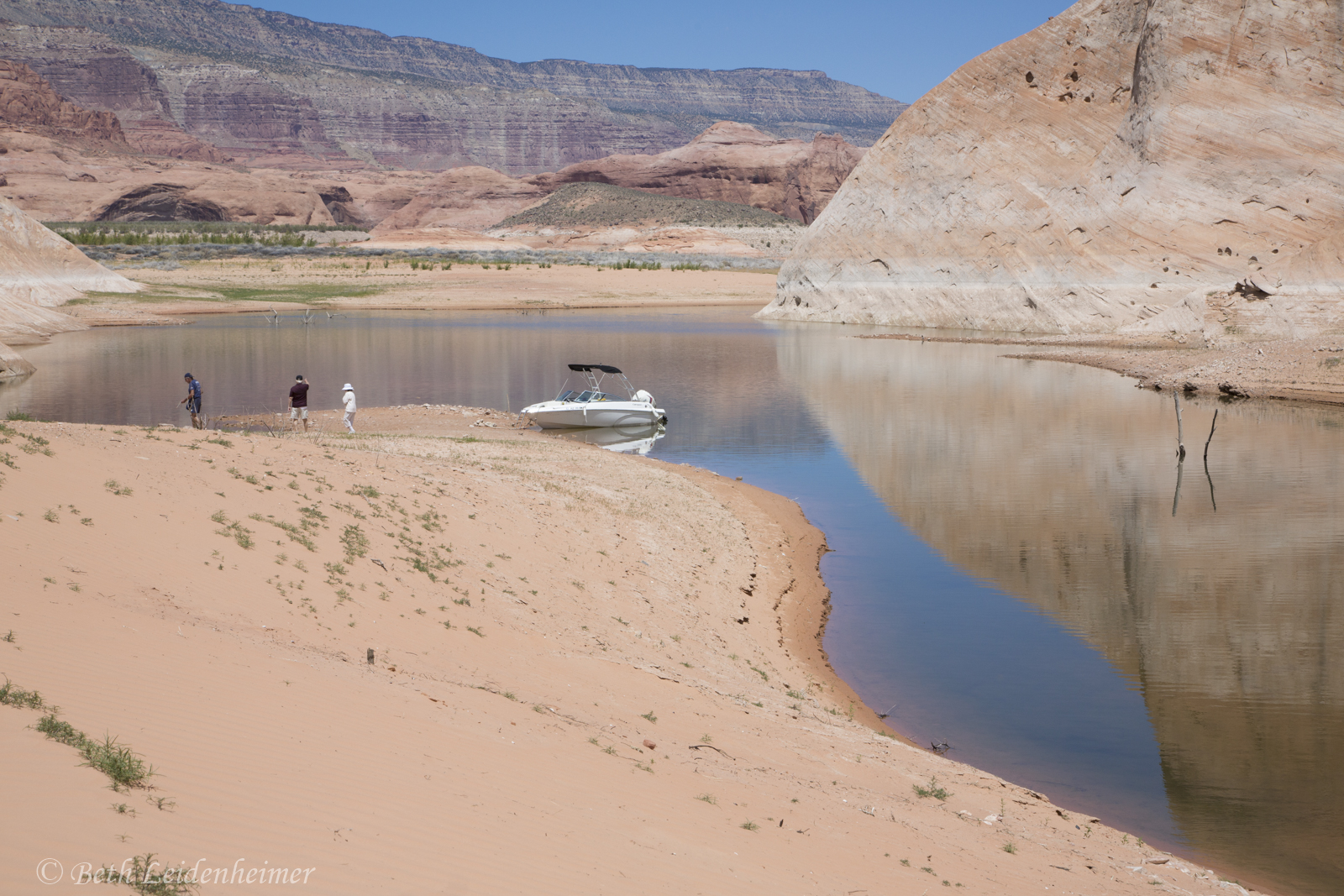
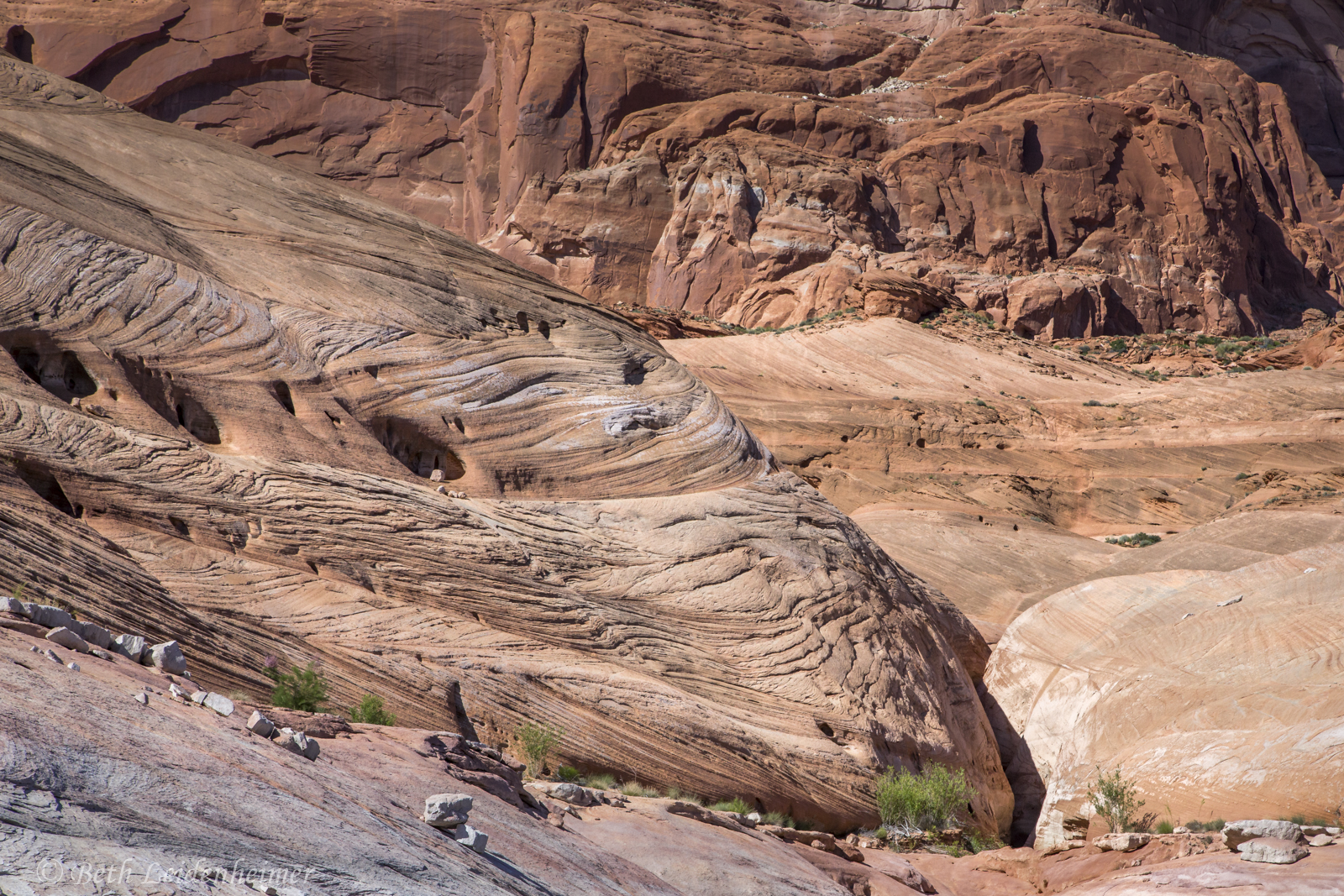
Of particular interest is that the lake is fully 50 feet lower now than it was 25 years ago. Where previously only the Cretaceous Period layers (65 Million years ago) were visible, now the lower lake levels have exposed the Triassic Period (250 Million years ago) layers previously affected by the completion of the dam in 1963. Geologists are ecstatic!
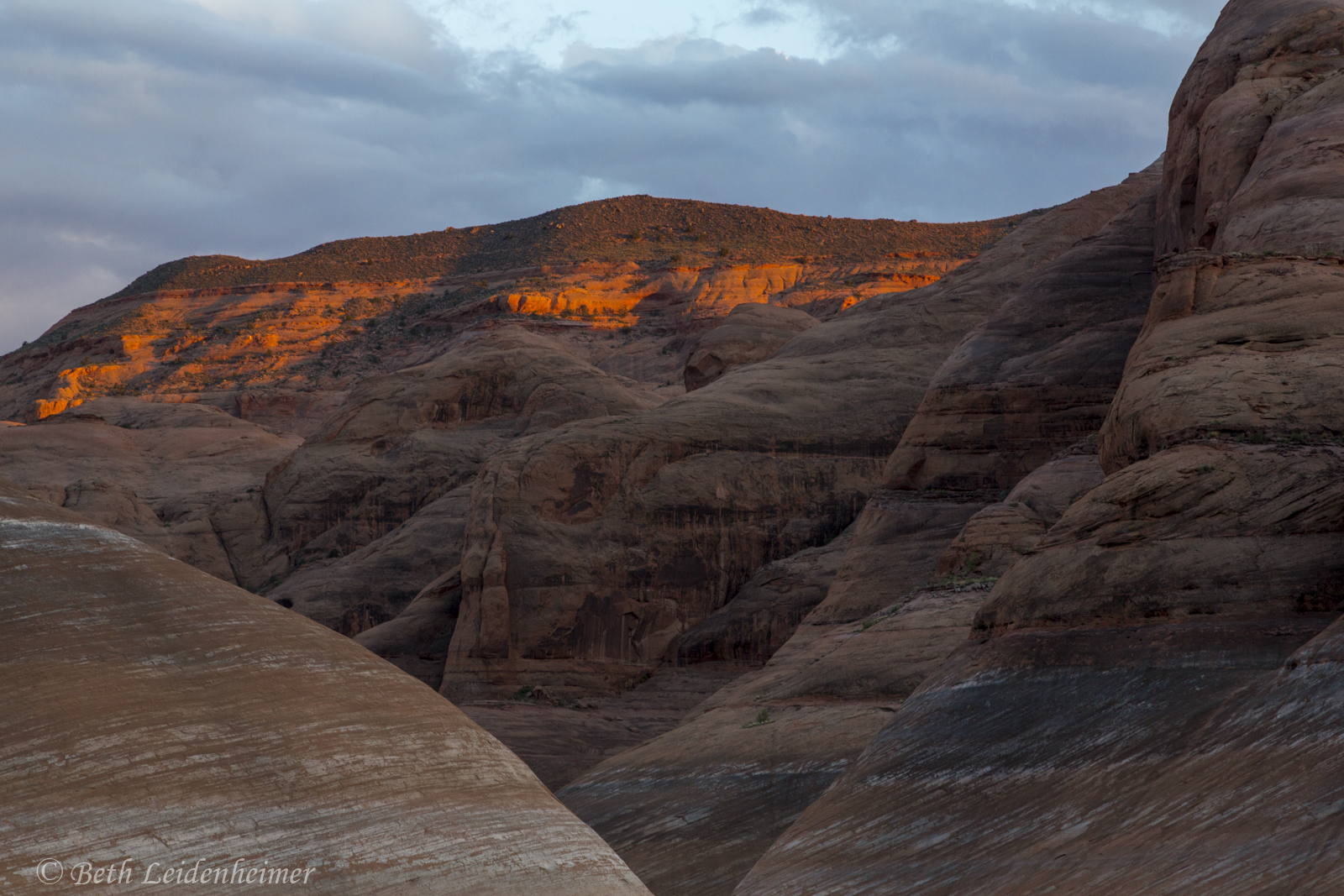
Please join us as we travel up the Colorado viewing the most incredible vistas you can possibly imagine! Everywhere I looked I was astounded by the unending peaceful beauty surrounding us and the images my soul urged me to record.
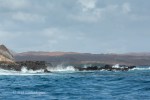
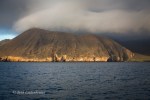
If you’ve ever heard anyone claim that the Galapagos is a “magical” place, they likely had the good fortune to have visited at least some of the same isles that Charles Darwin walked in 1835 and experienced the beauty and wonder first-hand – walking, swimming and boating closer to teeming wildlife and marine life than you could have ever imagined. Much of the wildlife is uniquely adapted, and found nowhere else in the world.
One might assume that the islands, 600 nautical miles from mainland Ecuador, receive a ton of rain and that the vegetation is lush because the Galapagos is situated on the equator; but, that just isn’t so. Rainfall and lack of rainfall is driven by the prevailing ocean currents at different times of the year. Some areas average only 2-4 inches annually, while other locations average as much as 20 inches annually. The only naturally occurring freshwater lake is on San Cristobal Island. As you might guess, the lack of sufficient fresh water is a daily concern. Residents rely on ships to haul water from the mainland, a concept quite foreign to the majority of folks living in the U.S. Unfortunately, we rely heavily on plastic bottles.
Besides the proximity to wildlife, the deep respect our tour guides have for the islands, their wildlife and conservation is certainly impressive. One guide and his wife had designed and built a home and lifestyle that harmonized with the natural elements and that is nearly self-sustaining. The other guide spent years working for the Darwin Research Center, developing a baseline for evaluating the impact of tourism on the marine life of the Galapagos. With their post-graduate degrees they are well equipped to provide an in-depth, up-close tour of life in the Galapagos and seem to be a good fit with the Natural Habitat Adventures’s basic premise to be environmentally conscious.
So, where does one stay in the Galapagos? Is there enough fresh water? And, what is a day like?
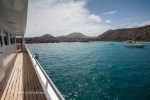
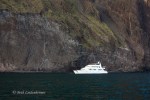
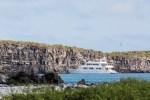
From several accommodation options offered by Nat Hab, I chose to travel on the stable and roomy Athala II, a 98 foot catamaran, and found it to be quite comfortable and amazingly pristine. That didn’t happen by chance. The captain and his many crew members tended to the countless details that made this a great voyage for 15 new explorers.
Fresh water on the Athala was abundant. It was wonderful to feel no guilt about taking extra showers during the day with a catamaran equipped with its own desalinization plant.
Each day started with 05:30 am gentle, yet insistent, wake-up call for a 06:00 am activity, usually a hike, and ending with a guide-briefing followed by local cuisine prepared by the ship’s skilled chef (the luscious tropical fruit always my favorite). Generally, the day included one or two hikes and one or two snorkeling/swimming opportunities, kayaking and panga rides along the shores in search of wildlife. One day, we had an unscheduled opportunity to swim and cool off at a deep water location. I loved it!
I found the hikes a bit challenging due to the heat and humidity in February, even at 6:00 am, and having to compensate for multiple injuries sustained to my ankle and knee five months earlier. My knee loved the snorkeling, but it complained about crawling on the ground to get some of those wonderful eye-to-eye wildlife photos others captured.
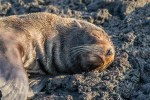
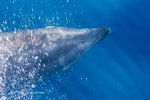
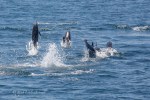
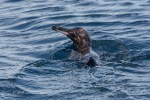
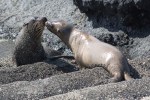
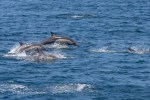
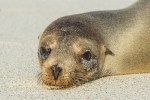
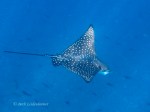
The wildlife was unbelievably close, and completely unconcerned by our presence. We tried to keep a minimum of 6 feet from any wildlife, but on occasion, the wildlife ventured even closer, especially while snorkeling. Penguins, flightless cormorants, and countless sea turtles crossed our paths, one turtle swimming so close it was impossible to capture him in my image. Sea lions danced and played around snorkelers that dove, while sea rays floated quietly below in unison. Even the scalloped hammerhead shark made an appearance. Dolphins raced the captain, staying just inches ahead of the hull of the ship, and then put on a display of high jumps worthy of Olympic competition.
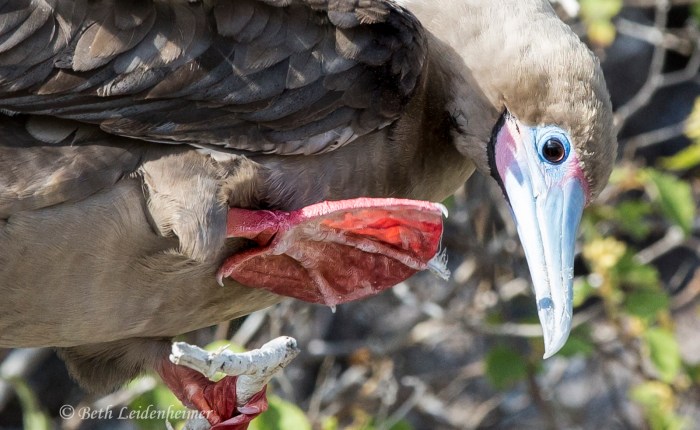
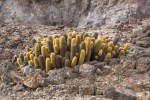
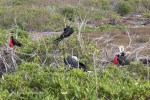
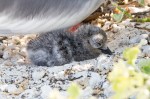
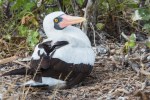
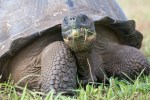
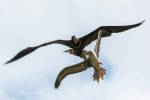
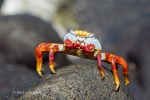
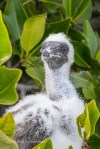
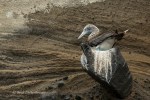
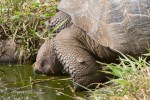
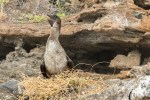
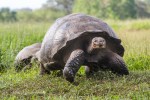
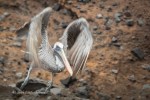
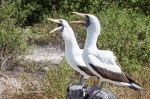
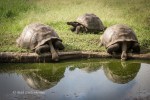
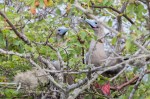
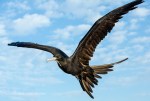
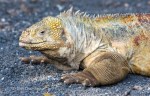
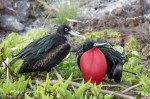
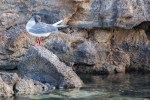
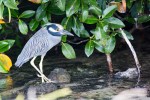
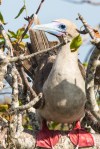
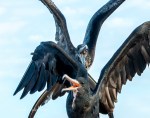
In addition to the seascapes and marine life, red footed boobies, blue footed boobies, Nazca boobies, magnificent frigate birds, brown pelicans, great blue herons, yellow-crowned night herons, Galapagos hawks, swallow-tailed gulls, baby swallow-tailed gulls, parents with eggs, nests in brush, nests on a few sticks on the path, land iguanas, marine iguanas, Sally light-foot crabs, giant tortoises, saddle-backed tortoises, and 1-4 million year old landscapes are all part of the “magic” of the Galapagos making this trip an unforgettable experience.
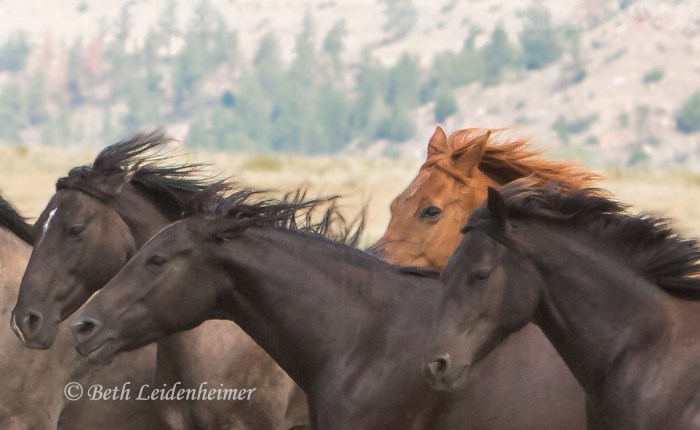
One can’t help but be touched by the elegance of wild mustangs running free in the wide open ranges of the Black Hills Wild Horse Sanctuary near Hot Springs, South Dakota.
The horse sanctuary is one in a long list of conservation contributions made by an unassuming man, Dayton Hyde. We had the pleasure of meeting Mr. Hyde and will remember him for sometime. My guess is he was around 90, but that didn’t seem to stop him from his daily rounds, and from meeting and mixing with some of the visitors to the sanctuary, not to mention watering his grapes. Dayton is quite an interesting man – a repeat author and recipient of many awards, as we learned from his staff.
Quite amazingly, my father-in-law and Dayton’s paths crossed decades ago, during WWII, both serving in the Signal Corp with General Patton’s 7th Army. Dayton remembered my father-in-law’s name, and my husband remembered a story related by his father about a pole-lineman that turned out to be none other than Mr. Hyde. What are the chances of a co-incidence like this?
Earlier that morning I arrived at the sanctuary for my scheduled four hour “photography tour” and expected to be one in a group of several photographers. Instead, the tour was personalized. One on one. I was thrilled. My guide escorted me by jeep to areas of the sanctuary not seen by the average visitor. He knew which horses led the herd, and which followed; which were approachable, and which to avoid. Best of all, he was a photographer and knew what behaviours, lighting and locations, would be conducive to a good image. The rest was up to me.
It’s my hope that through these photos you’ll appreciate with me the magnificent beauty and wonder these creatures bring to our world.
One of the most anticipated highlights of our two month road trip to the Northwest and into Canada for a rail journey was the wildlife we expected to encounter, or at least view safely from a distance. Certainly, Yellowstone was a prime opportunity to quench our desire to see nature at it’s best. We did our homework and with the help of someone quite familiar with the national park and the photographic opportunities it afforded, we made our plans to find, observe, and photograph the bison, elk, big horn sheep, mountain goats, wolves, coyotes. 10 days in September in the main campground at Fishing Bridge would be ideal. We were set.
The morning after our arrival we stopped at the visitor center for the latest update on recent sightings of bears. It seemed a sure bet that we would at least manage to get a glimpse of a Yellowstone grizzly or black bear. We searched from the far northeast reaches of the park to the south, and from east to west during the early and late hours each day. While the park abounded with bison herds, and bull elks with harems, the bears eluded us. Of course, that may have been in part due to our reluctance to venture out alone on trails to areas these magnificent creatures would likely frequent.
We left Yellowstone disappointed and with a feeling that we were led astray. There really were no bears in Yellowstone. A visit to Glacier National Park was next on our journey, but it yielded the same result. Fortunately, a couple of weeks prior I had acquiesced to the touristy attraction of Bear Country USA in Rapid City, SD; so I knew all was not lost for bear photos. We continued on our westward journey to Seattle and then into Canada for a scenic rail trip departing from Vancouver.
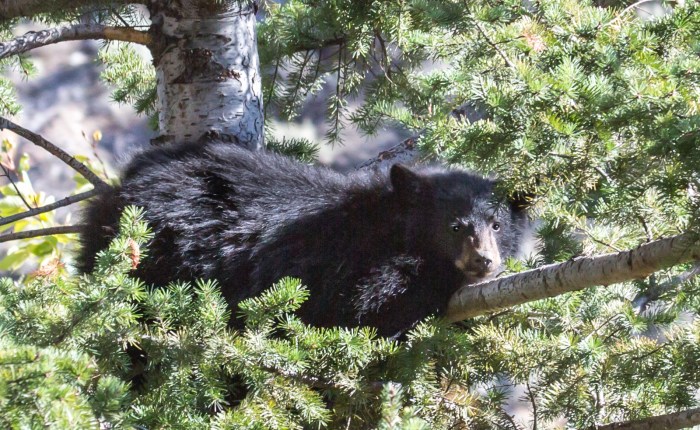
Who would have known that on the very last day on the Rocky Mountaineer Tour as we headed towards Vancouver, I would find my Yellowstone bear in Canada. It was such a fleeting glimpse from the moving train, but there perched high in a tree on the slopes of the river bank, was my black bear.
The Platte River valley of Nebraska was first home to the Pawnee, and afterward travelled by settlers as they journeyed west. Almost two centuries later the Platte River is still a primary migration route used by birds most likely for thousands of years.
Each year 500,000 sandhill cranes congregate on the Platte River as they migrate north to locations as distant as Canada and Alaska. During the migration season, there may be as many as 250,000 cranes at the same time resting on the flats in the river between fattening up on the grain from the fields and awaiting conditions suited to depart for destinations where they will spend spring and summer rearing their young.
In mid-March 2014 I was so very fortunate to be on hand to observe this magnificent gathering on the Platte River. There are numerous ways to see the cranes, but as a photographer I wanted to be in the midst of the action, so I reserved a private 4 x 8 x 5.5 photo blind through the Sandhill Crane Trust for one night on the banks of the river. “Deluxe accommodations” included a straw floor, a latrine pail, and prime viewing slots facing North with alternate views East and West, not to mention North winds of 50 mph with wind chills of 11 degrees, and a 3 inch coating of snow in the morning.
Conditions were too harsh for evening photography and I wasn’t conditioned for the cold temperatures and the fine snow blowing through the inevitable gaps in a movable structure, but I was willing to tough it out for the opportunity to overnight amongst the cranes. A little duct tape in a few strategic places kept me and my gear dry through the night. By the wee hours of the morning I realized the bugle calls of the cranes had dissipated. Curiosity got the best of me. I had to know if they left while I slumbered in my two sleeping bags, so I clambered from the warmth of my bedding only to find that they too had hunkered down against the elements. They wisely huddled in safe spots on the sandbars a little further out on the river.
Before daylight I roused myself and packed everything but my camera gear in anticipation of the early morning flights of the cranes. Before I knew it the cranes were coming and going, dancing and bugling, swooping and soaring, and even feeding last year’s brood. From my vantage point, everywhere I looked there were cranes too numerous to estimate. It was an indescribable experience to be amongst the cranes and watch their antics. The freshly fallen snow made the morning even more magical. By 9:30 am the remaining cranes departed for the feeding grounds leaving me with photos and memories to last a lifetime.
I hope you enjoy this sensational experience with me in pictures. It brought great happiness to my soul.
I’ve been absent for much too long from the “blogging” world and felt a pressing need to share some of my recent adventures. In part II of this post I’ll share my “excuse” for my extended absence.
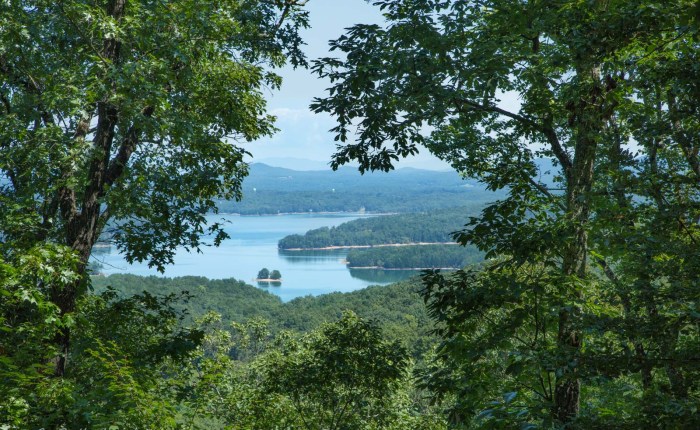
While very recently tucked away in a cabin overlooking Lake Blue Ridge in the Appalachian mountains of North Georgia, I was privileged to witness one of nature’s greatest wonders. Each morning and evening I saw, without a doubt, a ballet, an aerial dance unequaled by any other bird or man. A blazing wondrous display of agility and aerobatics that simply leaves one breathless. These birds weighing 2-20 grams must feed every fifteen minutes to survive. Their heart rate ranges from 40 beats per minute (at night ) to over 1200 beats per minute in hovering flight. Absolutely astounding! If any of God’s creatures were meant to fly it is tiny birds.
It was incredibly difficult to capture images worthy of these amazing birds given the lack of ideal light, equipment capability, and photographer skill, but here are a few of my best images taken over one week’s time.
Ten days seem like sufficient time to initially explore an area like Blue Ridge, but when you consider the State Parks, suspension bridges. hikes, countless waterfalls and scenic drives, as well as the scenic rail, and loads of recreational opportunities, it is easy to fill your schedule quickly.
One week into our stay in Blue Ridge, I headed towards Atlanta with plans to return by the end of the day and spend the evening with Jack and the hummingbirds. My mission near Atlanta was a new photographic challenge – engagement photos of my niece and her fiance. Not only had I committed to take engagement photos, but also their wedding photos in another month. With so much to learn and wanting to do a credible job as a wedding photographer, I spent the last month reading books, watching videos and absorbing whatever information I could find on wedding photography, flash photography, lighting, posing and directing. Whew! My head was spinning with so much information I wondered if I could remember to apply what I learned.
The portrait shoot was fun and it helped knowing that my niece is not camera-shy. The young couple seemed to have truly “fallen in love”, and that made it my ideal first portrait shoot. At first, it felt very awkward trying to remember the traditional poses, but my concerns over my qualifications and ability slipped away as we started the photo shoot.
All was going well with the photo shoot. Soon the formal portrait images were complete and we concentrated on getting some casual, yet timeless images. I was after “one more” photo to complement the engagement series. In a short time I needed to leave for Blue Ridge. After all, Jack and I had plans to visit the site of the 1996 Summer Olympic whitewater slalom events on the Toccoca River, and of course, to see more waterfalls.
Here is where the “excuse” for my extended absence comes in play. I had a fall of my own. Not a 20′ cascade of water, or 729′ fall like Amicalola Falls, but a 3′ fall. I was so wrapped up in getting a good composition on that last photo, I quickly forgot I had stepped up on a garden wall. Certainly not nearly as graceful as the beautiful falls of N Georgia, I landed hard. You’d think if I really wanted to get out of taking wedding photos all I’d have to do is say so.
Well – It’s two and a half weeks, a pair of crutches, a transport chair, a walker, an ankle boot, and knee brace later and I’m not traveling anywhere fast. That means I may have an excuse for not getting out and about to take photos, but I don’t have an excuse for not editing and blogging the ones I’ve already taken.
Moving on…
We hope to return to Blue Ridge to continue our explorations. But in the meantime, here are a few photos of some things I enjoyed.
Setting sail from the beautifully scenic shores of Baddeck, Nova Scotia, we headed towards the estate of Alexander Graham Bell to see the well kept grounds from the vantage of the bay. I looked toward the sky and was greeted by two eagles on the wing. John, the captain of the vessel, knew the eagles so well that he named them “Alex” and “Mabel”, most fitting since they frequented the home of Alexander and his wife, Mabel.

















































 About Nature With Beth