
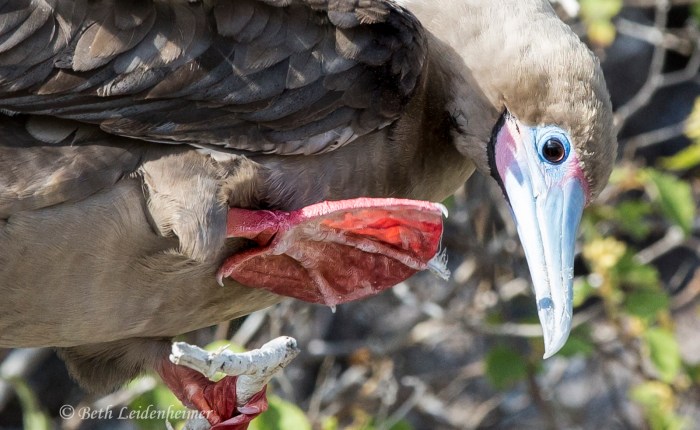
If you’ve ever heard anyone claim that the Galapagos is a “magical” place, they likely had the good fortune to have visited at least some of the same isles that Charles Darwin walked in 1835 and experienced the beauty and wonder first-hand – walking, swimming and boating closer to teeming wildlife and marine life than you could have ever imagined. Much of the wildlife is uniquely adapted, and found nowhere else in the world.
One might assume that the islands, 600 nautical miles from mainland Ecuador, receive a ton of rain and that the vegetation is lush because the Galapagos is situated on the equator; but, that just isn’t so. Rainfall and lack of rainfall is driven by the prevailing ocean currents at different times of the year. Some areas average only 2-4 inches annually, while other locations average as much as 20 inches annually. The only naturally occurring freshwater lake is on San Cristobal Island. As you might guess, the lack of sufficient fresh water is a daily concern. Residents rely on ships to haul water from the mainland, a concept quite foreign to the majority of folks living in the U.S. Unfortunately, we rely heavily on plastic bottles.
Besides the proximity to wildlife, the deep respect our tour guides have for the islands, their wildlife and conservation is certainly impressive. One guide and his wife had designed and built a home and lifestyle that harmonized with the natural elements and that is nearly self-sustaining. The other guide spent years working for the Darwin Research Center, developing a baseline for evaluating the impact of tourism on the marine life of the Galapagos. With their post-graduate degrees they are well equipped to provide an in-depth, up-close tour of life in the Galapagos and seem to be a good fit with the Natural Habitat Adventures’s basic premise to be environmentally conscious.
So, where does one stay in the Galapagos? Is there enough fresh water? And, what is a day like?
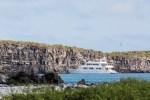
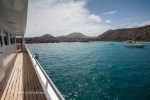
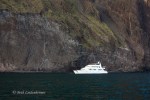
From several accommodation options offered by Nat Hab, I chose to travel on the stable and roomy Athala II, a 98 foot catamaran, and found it to be quite comfortable and amazingly pristine. That didn’t happen by chance. The captain and his many crew members tended to the countless details that made this a great voyage for 15 new explorers.
Fresh water on the Athala was abundant. It was wonderful to feel no guilt about taking extra showers during the day with a catamaran equipped with its own desalinization plant.
Each day started with 05:30 am gentle, yet insistent, wake-up call for a 06:00 am activity, usually a hike, and ending with a guide-briefing followed by local cuisine prepared by the ship’s skilled chef (the luscious tropical fruit always my favorite). Generally, the day included one or two hikes and one or two snorkeling/swimming opportunities, kayaking and panga rides along the shores in search of wildlife. One day, we had an unscheduled opportunity to swim and cool off at a deep water location. I loved it!
I found the hikes a bit challenging due to the heat and humidity in February, even at 6:00 am, and having to compensate for multiple injuries sustained to my ankle and knee five months earlier. My knee loved the snorkeling, but it complained about crawling on the ground to get some of those wonderful eye-to-eye wildlife photos others captured.
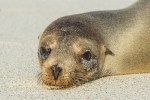
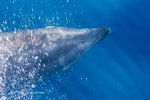
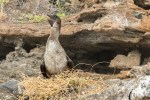
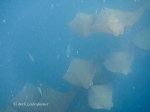
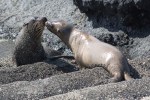
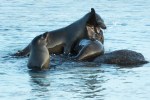
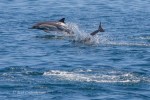
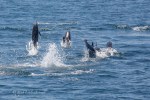
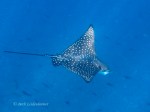
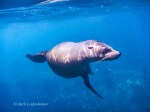
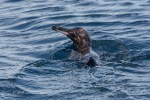
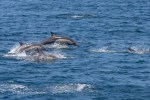
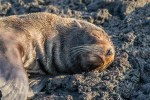
The wildlife was unbelievably close, and completely unconcerned by our presence. We tried to keep a minimum of 6 feet from any wildlife, but on occasion, the wildlife ventured even closer, especially while snorkeling. Penguins, flightless cormorants, and countless sea turtles crossed our paths, one turtle swimming so close it was impossible to capture him in my image. Sea lions danced and played around snorkelers that dove, while sea rays floated quietly below in unison. Even the scalloped hammerhead shark made an appearance. Dolphins raced the captain, staying just inches ahead of the hull of the ship, and then put on a display of high jumps worthy of Olympic competition.
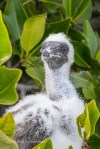
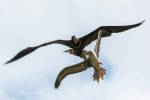
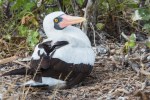
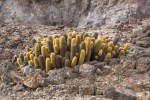
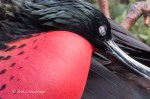
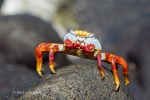
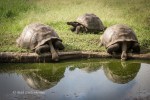
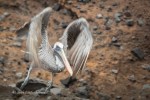
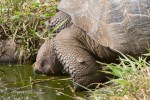
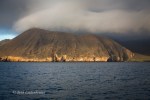
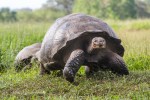
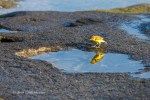
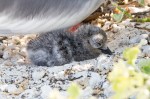
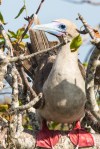
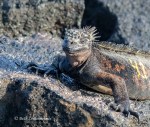
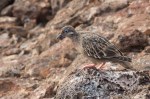
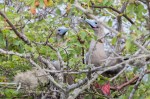
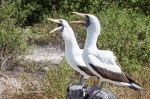
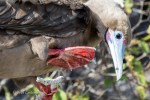
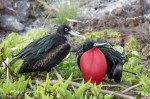
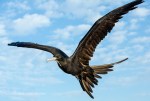
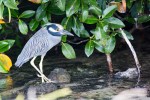
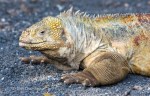
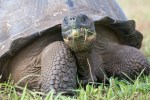
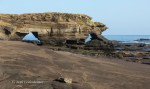
In addition to the seascapes and marine life, red footed boobies, blue footed boobies, Nazca boobies, magnificent frigate birds, brown pelicans, great blue herons, yellow-crowned night herons, Galapagos hawks, swallow-tailed gulls, baby swallow-tailed gulls, parents with eggs, nests in brush, nests on a few sticks on the path, land iguanas, marine iguanas, Sally light-foot crabs, giant tortoises, saddle-backed tortoises, and 1-4 million year old landscapes are all part of the “magic” of the Galapagos making this trip an unforgettable experience.
Enjoy!
You can learn more at the following links.
http://www.nathab.com/ http://www.eclipseathala.com/athala-ii/






















 About Nature With Beth